
Happiness & Success
Achieving Happiness Through Acceptance of Life
The quest for happiness often leads to frustration, as many fail to realize that the...








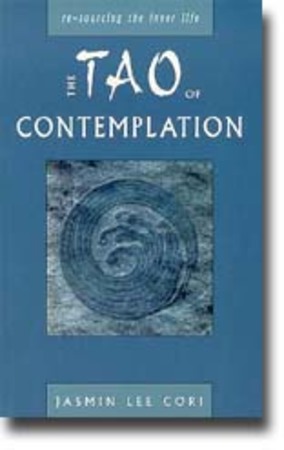
Contemplation stands as one of humanity's most profound yet underutilized tools for personal transformation. While meditation has gained widespread attention in recent decades, the deeper practice of contemplation—sustained, focused inquiry into life's essential questions and mysteries—remains largely unexplored territory for many seekers. This transformative guide bridges Eastern wisdom traditions with Western psychological understanding to reveal how contemplative practice can unlock unprecedented levels of self-awareness, spiritual insight, and personal empowerment.
At its heart, contemplation differs from meditation in significant ways. Where meditation often emphasizes emptying the mind or observing thoughts without attachment, contemplation actively engages the mind in focused exploration of meaningful questions, spiritual concepts, and the nature of reality itself. This ancient practice, honored in both Eastern and Western mystical traditions, offers a powerful pathway to understanding ourselves and our place in the universe. Through systematic contemplative inquiry, readers discover how to transform abstract spiritual principles into lived wisdom that reshapes daily experience.
The approach presented here draws extensively from Taoist philosophy, one of humanity's most profound systems for understanding the flow of life and our harmonious participation within it. The Tao, often translated as "the Way," represents the underlying order and spontaneous arising of all things. By applying contemplative methods to Taoist principles, readers learn to recognize and align with this natural flow, reducing struggle and resistance while increasing effectiveness and peace in all areas of life. The wisdom tradition of Taoism, with its emphasis on paradox, natural rhythms, and effortless action, provides particularly rich material for contemplative exploration.
Read more ▼
Bonnie Glass-Coffin

Jayne Morris
The quest for happiness often leads to frustration, as many fail to realize that the...

Reaching sixty can evoke complex emotions, blending relief with ongoing ambition. This...

The quest for life's purpose often leads to unsatisfactory answers. This article...

Imagine going through one of the most physically and emotionally demanding experiences...

Romantic love is a complex emotion shaped by historical, cultural, and biological...

Daily actions often conflict with personal beliefs due to past experiences. By utilizing...

Have you ever argued over something that wasn't actually said? From cultural differences...

Therapists often use dream interpretation to delve into patients' emotions, but true...