
Happiness & Success
Achieving Happiness Through Acceptance of Life
The quest for happiness often leads to frustration, as many fail to realize that the...








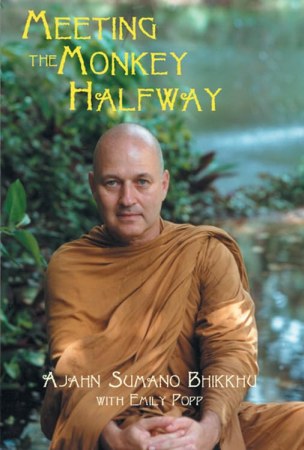
Buddhist wisdom meets everyday practicality in this illuminating guide that demonstrates how ancient monastic teachings can transform modern life's most challenging moments. Drawing from years of experience as a Western monk in the Thai Forest Tradition, these teachings reveal how mindfulness and meditation aren't just cushion practices but powerful tools for navigating relationships, emotions, and the constant chatter of our restless minds.
The central metaphor presents the human mind as a monkey—restless, grabbing, always swinging from branch to branch, never satisfied with simply being present. Rather than attempting to cage this monkey through force or suppress its nature entirely, readers discover a middle path: meeting it halfway. This compassionate approach acknowledges our human tendencies toward distraction, desire, and discontent while gently guiding us toward greater awareness and peace. The wisdom shared here recognizes that transformation happens not through violent self-discipline but through patient, kind attention to our actual experience.
Through accessible teachings rooted in Theravada Buddhism, readers gain practical instruction in meditation techniques that work for busy Western lives. The guidance moves beyond theory into the nitty-gritty details of establishing a sustainable practice, addressing common obstacles like physical discomfort, wandering thoughts, and the frustration that arises when meditation doesn't immediately deliver the promised peace. These honest discussions about the challenges of practice make the teachings feel authentic and achievable rather than presenting an unrealistic ideal.
Read more ▼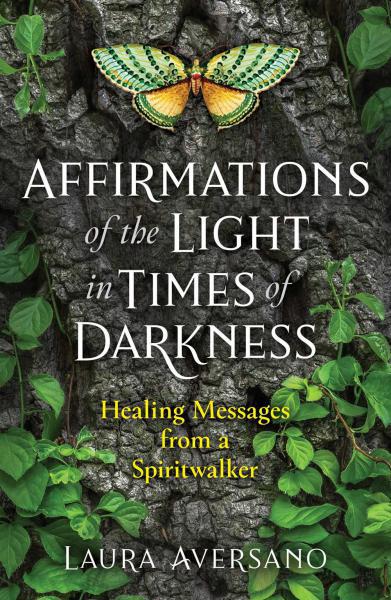
Affirmations of the Light in Times of Darkness
Laura Aversano
Initiation into Dream Mysteries
Sarah Janes

Jen Gunter
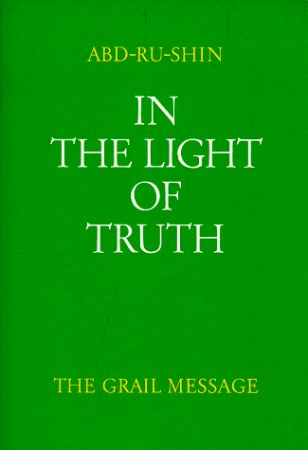
Abd-Ru-Shin
The quest for happiness often leads to frustration, as many fail to realize that the...

Reaching sixty can evoke complex emotions, blending relief with ongoing ambition. This...

The quest for life's purpose often leads to unsatisfactory answers. This article...

Imagine going through one of the most physically and emotionally demanding experiences...

Romantic love is a complex emotion shaped by historical, cultural, and biological...

Daily actions often conflict with personal beliefs due to past experiences. By utilizing...

Have you ever argued over something that wasn't actually said? From cultural differences...

Therapists often use dream interpretation to delve into patients' emotions, but true...