
Happiness & Success
Achieving Happiness Through Acceptance of Life
The quest for happiness often leads to frustration, as many fail to realize that the...








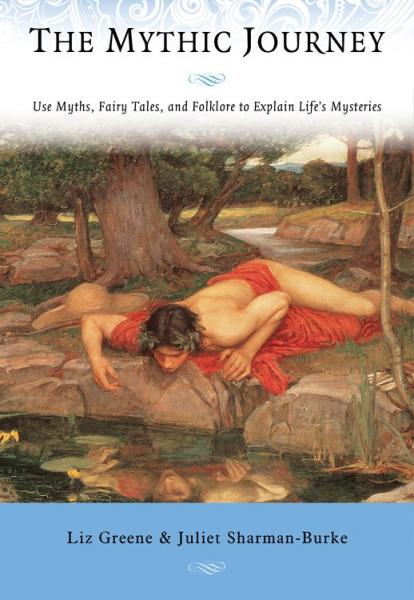
Ancient myths and fairy tales have captivated humanity for thousands of years, not merely as entertainment, but as profound psychological maps that chart the territory of human transformation. By combining the symbolic wisdom of the Tarot with timeless mythological narratives, a powerful framework emerges for understanding the universal patterns that shape every person's journey toward wholeness and self-realization.
At the heart of this exploration lies the recognition that each of us is living our own heroic journey, whether we're conscious of it or not. The challenges we face, the relationships we navigate, the losses we endure, and the victories we celebrate all follow archetypal patterns that have been encoded in stories since the dawn of human consciousness. These patterns aren't arbitrary—they represent the deep structures of psychological development and spiritual awakening that every soul must traverse on the path to becoming fully human.
Through an innovative synthesis of Jungian psychology, mythological storytelling, and the symbolic language of the Tarot's Major Arcana, readers discover a sophisticated yet accessible system for understanding their own life experiences. Each of the twenty-two cards of the Major Arcana corresponds to a fundamental archetype and life lesson, from the innocent beginnings represented by the Fool to the completion and integration symbolized by the World. These aren't just abstract concepts but living psychological realities that manifest in everyday experiences, relationships, and turning points.
Read more ▼
Napoleon Hill

Christopher S. Hyatt, Lon Milo Duquette, Diana Rose Hartmann, Gary Ford
Eileen Day McKusick

Perry Brass
The quest for happiness often leads to frustration, as many fail to realize that the...

Reaching sixty can evoke complex emotions, blending relief with ongoing ambition. This...

The quest for life's purpose often leads to unsatisfactory answers. This article...

Romantic love is a complex emotion shaped by historical, cultural, and biological...

Imagine going through one of the most physically and emotionally demanding experiences...

Have you ever argued over something that wasn't actually said? From cultural differences...

Daily actions often conflict with personal beliefs due to past experiences. By utilizing...

Therapists often use dream interpretation to delve into patients' emotions, but true...