
Happiness & Success
Achieving Happiness Through Acceptance of Life
The quest for happiness often leads to frustration, as many fail to realize that the...








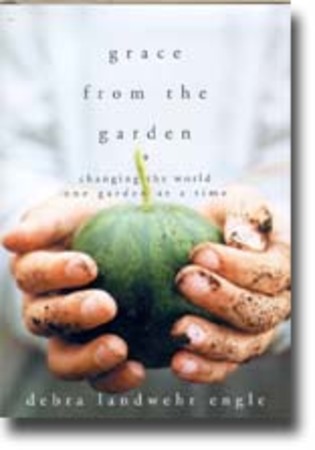
Gardens have long served as sanctuaries for the soul, offering more than just visual beauty and fresh vegetables. They provide profound lessons about patience, acceptance, surrender, and the cycles of life that mirror our own spiritual journeys. Through the intimate relationship between gardener and garden, we discover timeless wisdom that transforms how we approach challenges, embrace change, and cultivate inner peace.
Every season in the garden brings distinct teachings. Spring arrives with its promise of renewal, inviting us to plant seeds both literally and metaphorically. The act of preparing soil, selecting seeds, and nurturing tender shoots becomes a meditation on hope and new beginnings. We learn that growth cannot be rushed, that some seeds germinate quickly while others require patience and faith. These lessons translate directly to our personal transformations, reminding us that inner change follows natural rhythms we cannot force or control.
Summer teaches abundance and the importance of consistent care. As plants flourish under warm sunshine, we witness the rewards of steady attention and dedication. Watering during dry spells, weeding to remove what no longer serves, and supporting heavy branches laden with fruit all become metaphors for self-care and personal maintenance. The garden shows us that neglect leads to chaos, but overwhelming intervention can be equally harmful. Balance becomes the key lesson, learning when to act and when to allow nature to take its course.
Read more ▼
It's Not About the Horse-It's About Overcoming Fear and Self-Doubt
Wyatt Webb, Cindy Pearlman

Bernie S. Siegel, Cynthia J. Hurn, Allen M. Schoen

Adele Von Rust McCormick, Marlene Deborah McCormick, Thomas E. McCormick

Straight from the horse's mouth
Amelia Kinkade
The quest for happiness often leads to frustration, as many fail to realize that the...

Reaching sixty can evoke complex emotions, blending relief with ongoing ambition. This...

The quest for life's purpose often leads to unsatisfactory answers. This article...

Romantic love is a complex emotion shaped by historical, cultural, and biological...

Imagine going through one of the most physically and emotionally demanding experiences...

Daily actions often conflict with personal beliefs due to past experiences. By utilizing...

Have you ever argued over something that wasn't actually said? From cultural differences...

Therapists often use dream interpretation to delve into patients' emotions, but true...