
Happiness & Success
Achieving Happiness Through Acceptance of Life
The quest for happiness often leads to frustration, as many fail to realize that the...








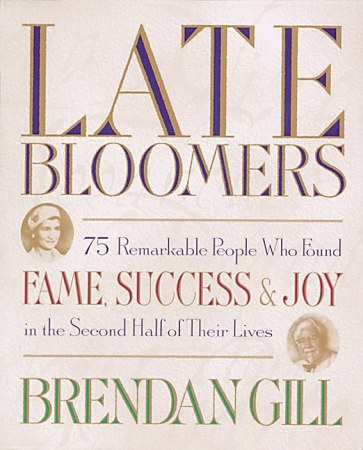
A profound challenge to one of our culture's most limiting beliefs awaits within these pages: the notion that creativity, achievement, and personal reinvention have expiration dates. This celebratory exploration dismantles the myth that our most productive and innovative years must arrive early in life, revealing instead that many of history's most remarkable contributions came from individuals who found their greatest expression in the second half of life and beyond.
Through compelling biographical portraits and insightful analysis, readers discover how countless artists, writers, architects, and creative thinkers produced their finest work long after the age when society typically expects people to slow down or settle into comfortable routine. The evidence presented here challenges the youth-obsessed narratives that dominate contemporary culture, offering instead an empowering vision of human potential that extends across the entire lifespan.
What makes this exploration particularly valuable for those on a journey of personal growth is its fundamental assertion that maturity brings advantages often overlooked in our rush to celebrate youthful promise. The accumulated experience, emotional depth, refined perspective, and hard-won wisdom that come with age are not consolation prizes for lost vitality but rather essential ingredients for certain kinds of creative excellence. The portraits presented demonstrate how the passage of time can deepen artistic vision, strengthen technical mastery, and provide the confidence necessary to take bold creative risks.
Read more ▼
Charlotte J. Beck, Steven A. Smith

Dolores Ashcroft-Nowicki

Trent W. Nichols MD, Nancy Faass MSW MPH

Emmet Fox
The quest for happiness often leads to frustration, as many fail to realize that the...

Reaching sixty can evoke complex emotions, blending relief with ongoing ambition. This...

The quest for life's purpose often leads to unsatisfactory answers. This article...

Romantic love is a complex emotion shaped by historical, cultural, and biological...

Imagine going through one of the most physically and emotionally demanding experiences...

Have you ever argued over something that wasn't actually said? From cultural differences...

Daily actions often conflict with personal beliefs due to past experiences. By utilizing...

Therapists often use dream interpretation to delve into patients' emotions, but true...