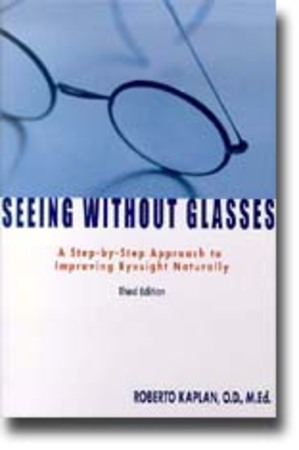

Vision problems are not merely physical limitations to be corrected with prescriptive lenses—they represent profound messages from your body about how you see yourself, your life, and your world. This revolutionary approach to eye health challenges conventional wisdom by demonstrating that eyesight can be improved naturally through a holistic program that integrates physical exercises, mental techniques, and emotional awareness.
For decades, millions of people have accepted deteriorating vision as an inevitable part of aging or genetics, resigned to increasingly stronger prescriptions and a lifetime dependency on corrective lenses. Yet emerging evidence suggests that vision is far more dynamic and responsive to change than most medical practitioners acknowledge. Through comprehensive research and clinical experience spanning more than two decades, a compelling case emerges for treating vision problems as symptoms of deeper imbalances in how we process visual information and navigate our emotional landscape.
The methodology presented combines ancient wisdom traditions with modern understanding of neuroscience and behavioral optometry. Rather than viewing the eye as a simple mechanical camera requiring external correction, this perspective recognizes vision as an active, learned behavior involving the entire body-mind system. When we understand that how we see is intrinsically connected to what we believe, feel, and experience, the possibility for transformation becomes tangible and accessible.
Readers discover practical techniques for reducing or even eliminating dependency on glasses and contact lenses through a program of vision exercises, awareness practices, and lifestyle modifications. These exercises work by retraining the muscles controlling the eye, improving circulation to ocular tissues, and releasing habitual patterns of visual stress that contribute to conditions like nearsightedness, farsightedness, astigmatism, and presbyopia. The approach is gentle yet systematic, requiring commitment but offering rewards that extend far beyond clearer eyesight.
What makes this approach particularly powerful is its integration of the emotional and psychological dimensions of vision. Each common vision problem correlates with specific life patterns and emotional themes. Nearsightedness, for instance, may relate to fear of the future or withdrawal from the broader world, while farsightedness can indicate discomfort with present circumstances or avoidance of inner reflection. By addressing these underlying patterns through guided introspection and therapeutic techniques, practitioners often experience improvements not only in vision but in overall life satisfaction and emotional well-being.
The program guides participants through self-assessment tools to understand their unique visual patterns and the circumstances surrounding the onset of vision problems. This investigative process frequently reveals surprising connections between major life transitions, stress, trauma, or unresolved emotions and the deterioration of eyesight. Armed with these insights, individuals can address root causes rather than merely managing symptoms.
Detailed instructions for daily vision exercises make the practices accessible to people at all levels of visual impairment. These range from simple palming techniques that relax tired eyes to more advanced practices involving peripheral awareness, dynamic focusing, and visualization. Complementary lifestyle recommendations address nutrition for optimal eye health, proper lighting, screen time management, and stress reduction strategies that support the healing process.
Perhaps most importantly, this work empowers readers to reclaim authority over their own health and well-being. In a medical culture that often positions patients as passive recipients of expert intervention, learning that vision can improve through conscious practice and self-awareness represents a profound shift in personal agency. This empowerment extends beyond eye health, inspiring readers to question other limiting beliefs about their bodies and their capacity for self-healing.
The transformation possible through this approach encompasses physical, emotional, and spiritual dimensions. Clearer physical vision often accompanies clearer insight into life purpose, relationships, and personal truth. Many practitioners report that as their eyesight improves, they simultaneously gain new perspectives on long-standing challenges and discover creative solutions to seemingly intractable problems.
For anyone seeking alternatives to a lifetime of corrective lenses, for those curious about the mind-body connection, or for individuals committed to comprehensive personal transformation, this methodology offers a practical roadmap toward visual freedom and expanded awareness.