


Happiness & Success
Achieving Happiness Through Acceptance of Life
The quest for happiness often leads to frustration, as many fail to realize that the...








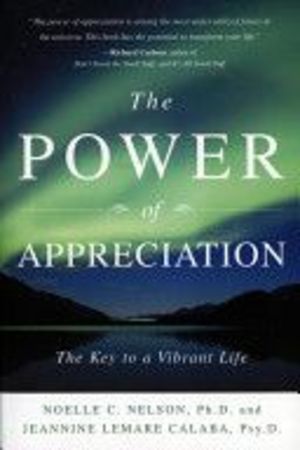
Gratitude may be trending in personal development circles, but appreciation operates on an entirely different—and more transformative—level. While gratitude involves being thankful for what you have, appreciation actively recognizes and amplifies the value in people, situations, and experiences around you. This subtle but profound shift in perspective can revolutionize your relationships, energize your workplace, enhance your health, and fundamentally alter how you move through the world.
Drawing on scientific research, real-world case studies, and practical application, this comprehensive guide demonstrates how appreciation functions as a dynamic force that creates positive change in every area of life. The distinction is crucial: appreciation isn't passive acknowledgment but active engagement with the good that exists in your present moment. When you appreciate someone or something, you're not just noting its presence—you're increasing its value through your focused attention and genuine recognition.
The workplace section reveals how appreciation transforms organizational culture in measurable ways. Companies that implement appreciation-based practices see dramatic improvements in employee morale, productivity, and retention rates. Workers who feel genuinely appreciated don't just perform better; they become more creative, collaborative, and committed to organizational success. Specific techniques are provided for managers and team members alike, showing how to express authentic appreciation that goes beyond perfunctory thank-yous or obligatory recognition programs. The research presented demonstrates that appreciation creates a positive feedback loop: as people feel valued, they contribute more value, which generates more appreciation, creating an upward spiral of engagement and excellence.
Read more ▼
Richard Van Camp, Julie Flett
A course in miracles made easy
Alan Cohen
The quest for happiness often leads to frustration, as many fail to realize that the...

Reaching sixty can evoke complex emotions, blending relief with ongoing ambition. This...

The quest for life's purpose often leads to unsatisfactory answers. This article...

Imagine going through one of the most physically and emotionally demanding experiences...

Romantic love is a complex emotion shaped by historical, cultural, and biological...

Daily actions often conflict with personal beliefs due to past experiences. By utilizing...

Have you ever argued over something that wasn't actually said? From cultural differences...

Therapists often use dream interpretation to delve into patients' emotions, but true...