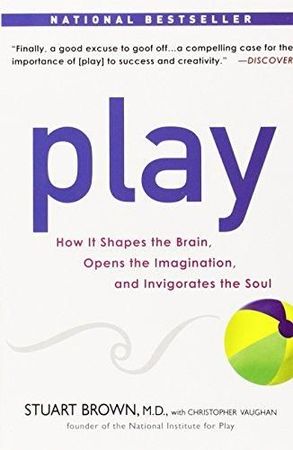




Discovery awaits in the forgotten wisdom of one of life's most undervalued activities. What if the secret to unlocking creativity, improving relationships, enhancing problem-solving abilities, and living a more fulfilled existence has been hiding in plain sight since childhood? What if reclaiming something society often dismisses as frivolous could actually transform every aspect of adult life?
Through decades of research spanning multiple disciplines including neuroscience, animal behavior, and developmental psychology, a compelling case emerges for recognizing play not as a luxury or waste of time, but as a fundamental biological drive as essential as sleep or nutrition. Drawing on extensive studies of both animal and human subjects, readers discover how play shapes brain development, influences social bonding, and serves as nature's greatest tool for learning and adaptation.
The exploration begins with fascinating research revealing how play deprivation in early life correlates with serious developmental issues, reduced adaptability, and even violent behavior in adulthood. Conversely, those who maintain playful attitudes throughout life demonstrate greater resilience, enhanced cognitive flexibility, and improved overall wellbeing. These aren't merely anecdotal observations but findings supported by rigorous scientific investigation across multiple species and human populations.
Readers journey through the different play personalities that exist, learning to identify their own innate play patterns. Some people are natural collectors, others are jokers, competitors, explorers, artists, or directors. Understanding these patterns provides profound insight into personal strengths, relationship dynamics, and career satisfaction. Recognition of individual play signatures offers a roadmap for rekindling joy and authenticity that may have been suppressed by demanding adult responsibilities and societal expectations.
The neuroscience presented reveals how playful engagement literally reshapes the brain, creating new neural pathways and strengthening existing connections. Play activates the prefrontal cortex in unique ways, enhancing executive function, emotional regulation, and innovative thinking. This isn't child's play dismissed as mere entertainment; it's sophisticated neural exercise that keeps minds sharp, adaptable, and creative throughout the lifespan.
Practical guidance helps readers identify where play has disappeared from their lives and why. Modern culture often views play as something to be outgrown, replaced entirely by productivity and achievement. This perspective creates stressed, rigid, and ultimately less effective individuals. Recognition of play's absence often explains feelings of burnout, disconnection, and creative stagnation that plague contemporary life.
The work addresses how to reintegrate play into daily routines without guilt or apology. Simple exercises and reflection questions guide readers toward rediscovering activities that generate genuine playful engagement. This isn't about forcing fun or scheduling recreation as another obligation, but about recognizing and honoring the body's natural need for playful expression.
Special attention focuses on how play transforms relationships. Shared playful experiences create bonds that formal interaction cannot achieve. Couples who play together report greater satisfaction and resilience during difficult times. Workplaces that encourage appropriate play see improved collaboration, innovation, and employee retention. Communities built around playful engagement demonstrate stronger social cohesion and mutual support.
The relationship between play and creativity receives particular emphasis. History's greatest innovators, artists, and scientists maintained playful approaches to their work. Playfulness enables the cognitive flexibility required for breakthrough thinking, allowing minds to make unexpected connections and explore unconventional solutions. Without play, thinking becomes rigid, predictable, and incremental rather than transformative.
Readers also encounter sobering examination of what happens when cultures and individuals become play-deprived. The consequences extend beyond individual unhappiness to societal challenges including increased aggression, reduced empathy, and diminished capacity for cooperation. Conversely, play-rich environments foster the very qualities most needed for addressing complex modern challenges: adaptability, creativity, collaboration, and resilience.
This exploration ultimately reveals play as a radical act of self-care and personal empowerment. Reclaiming playfulness means reclaiming authenticity, joy, and the full expression of human potential. For anyone seeking transformation, deeper fulfillment, or simply wondering why life feels so serious and joyless, this work offers both explanation and practical pathway forward.