
Happiness & Success
Achieving Happiness Through Acceptance of Life
The quest for happiness often leads to frustration, as many fail to realize that the...








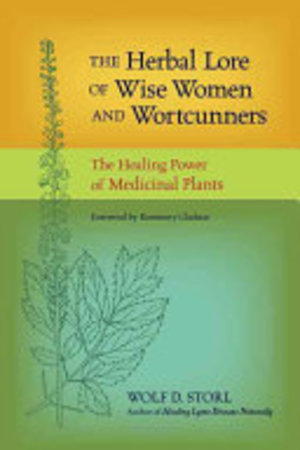
Deep within the forests and meadows of old Europe, a profound knowledge existed about the healing and nourishing properties of plants. This ancient wisdom, passed down through generations of village healers, midwives, and herbal practitioners, represents a sacred connection between humanity and the green world that modern society has largely forgotten. Through exploring this rich tradition of plant knowledge, readers discover not merely a collection of remedies, but a complete worldview that sees nature as alive, conscious, and responsive to human needs.
The exploration begins by examining how traditional European cultures understood plants as beings with spirit and personality, not simply as biological resources to be exploited. This animistic perspective, which survived in rural communities well into the twentieth century, recognized that working with plants required respect, ritual, and relationship. The wise women and wortcunners who practiced this craft understood themselves as intermediaries between the human and plant realms, capable of communicating with the green world through intuition, dreams, and direct experience.
Readers journey through the historical landscape of European herbal medicine, learning how common plants growing in gardens, fields, and wild places served as pharmacy, grocery store, and spiritual ally for countless generations. The knowledge shared encompasses not only medicinal applications but also the nutritional and culinary uses of herbs that once formed the backbone of peasant diets. From nettles rich in minerals to dandelions packed with vitamins, from plantain that heals wounds to mugwort that aids digestion, the plant allies surrounding us offer gifts that industrial food systems cannot replicate.
Read more ▼
Alissa Segersten
Bridgette Shea L.Ac. MAcOM
John Robbins
Jonathan Glass
The quest for happiness often leads to frustration, as many fail to realize that the...

Reaching sixty can evoke complex emotions, blending relief with ongoing ambition. This...

The quest for life's purpose often leads to unsatisfactory answers. This article...

Romantic love is a complex emotion shaped by historical, cultural, and biological...

Imagine going through one of the most physically and emotionally demanding experiences...

Have you ever argued over something that wasn't actually said? From cultural differences...

Daily actions often conflict with personal beliefs due to past experiences. By utilizing...

Therapists often use dream interpretation to delve into patients' emotions, but true...