
Happiness & Success
Achieving Happiness Through Acceptance of Life
The quest for happiness often leads to frustration, as many fail to realize that the...








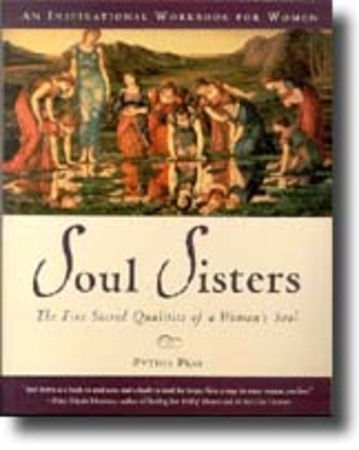
Women's spirituality has undergone a profound transformation over the past several decades, moving from the margins of religious life to become a vibrant force for personal and collective awakening. Through intimate conversations with women spiritual teachers, mystics, and visionaries who have pioneered new pathways of consciousness, readers are invited into a rich exploration of feminine wisdom and its unique contributions to our contemporary spiritual landscape.
At the heart of this exploration lies a fundamental question: What happens when women claim their own spiritual authority and begin to articulate sacred experience through feminine eyes? The answer unfolds through deeply personal stories and insights from women who have dared to trust their own mystical experiences, inner knowing, and direct connection to the divine. These voices represent diverse traditions and approaches, yet they share a common thread of authenticity and courage in forging spiritual paths that honor women's particular ways of knowing and being.
The conversations reveal how women's spirituality often emphasizes relationship, embodiment, and the integration of the sacred into everyday life. Rather than seeking transcendence that leaves the body and material world behind, many women spiritual teachers speak of a spirituality grounded in the earth, in relationship, in the cycles of nature, and in the wisdom of the body itself. This approach offers a much-needed balance to traditions that have historically prioritized transcendence over immanence, spirit over matter, and detachment over connection.
Read more ▼
Susan Shumsky, Joe Vitale
Mircea Eliade, Ramón Alfonso Díez Aragón, Julia Argemí Munar, Vicenç Mateu Zamora, Julia Argemí Munar, Vicenç Mateu Zamora, Julia Argemí Munar, Vicenç Mateu Zamora, Julia Argemí Munar, Vicenç Mateu Zamora

Denise Linn
Autobiography of a Spiritually Incorrect Mystic
Bhagwan Rajneesh
The quest for happiness often leads to frustration, as many fail to realize that the...

Reaching sixty can evoke complex emotions, blending relief with ongoing ambition. This...

The quest for life's purpose often leads to unsatisfactory answers. This article...

Romantic love is a complex emotion shaped by historical, cultural, and biological...

Imagine going through one of the most physically and emotionally demanding experiences...

Daily actions often conflict with personal beliefs due to past experiences. By utilizing...

Have you ever argued over something that wasn't actually said? From cultural differences...

Therapists often use dream interpretation to delve into patients' emotions, but true...