
Happiness & Success
Achieving Happiness Through Acceptance of Life
The quest for happiness often leads to frustration, as many fail to realize that the...








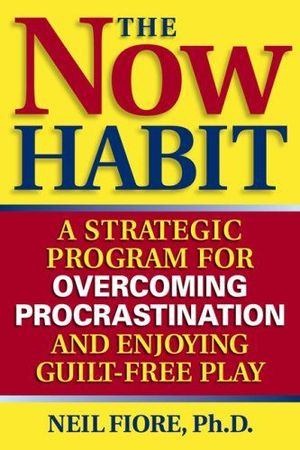
Procrastination isn't simply a matter of poor time management or laziness—it's a complex psychological pattern rooted in fear, perfectionism, and a conflicted relationship with work and leisure. This groundbreaking approach transforms our understanding of why we delay important tasks and offers a compassionate, scientifically-grounded method for breaking free from the cycle of guilt, anxiety, and last-minute cramming that characterizes chronic procrastination.
At the heart of this methodology lies a fundamental insight: procrastination serves as a coping mechanism for dealing with the fear of failure, fear of success, and the overwhelming pressure we place on ourselves to be perfect. Rather than viewing procrastinators as simply undisciplined, this work recognizes that putting things off often stems from a deep-seated anxiety about judgment, criticism, and self-worth. When we tie our identity to our performance, every task becomes a referendum on our value as human beings, making it terrifying to even begin.
The program outlined here introduces readers to a revolutionary concept called "guilt-free play"—the idea that scheduling and fully enjoying leisure time actually enhances productivity rather than diminishing it. This counterintuitive approach dismantles the common belief that we must deny ourselves pleasure until work is complete. Instead, by knowing that enjoyable activities are protected and guaranteed, we remove the internal rebellion that often fuels procrastination. When rest and play aren't seen as rewards that must be earned through suffering, we paradoxically become more motivated to engage with challenging tasks.
Read more ▼
Johannes Wilbert

Lisa McCourt

Robert A. Heinlein

Dan Millman
The quest for happiness often leads to frustration, as many fail to realize that the...

Reaching sixty can evoke complex emotions, blending relief with ongoing ambition. This...

The quest for life's purpose often leads to unsatisfactory answers. This article...

Romantic love is a complex emotion shaped by historical, cultural, and biological...

Imagine going through one of the most physically and emotionally demanding experiences...

Daily actions often conflict with personal beliefs due to past experiences. By utilizing...

Have you ever argued over something that wasn't actually said? From cultural differences...

Therapists often use dream interpretation to delve into patients' emotions, but true...