

Happiness & Success
Achieving Happiness Through Acceptance of Life
The quest for happiness often leads to frustration, as many fail to realize that the...









Confidence stands as one of the most sought-after qualities in modern life, yet it remains frustratingly elusive for many people. What if the very approach we've been taught about building confidence has been fundamentally flawed? What if trying harder, thinking more positively, or forcing ourselves into uncomfortable situations isn't actually the path to genuine self-assurance?
This groundbreaking work challenges conventional wisdom about confidence and offers a radically different perspective rooted in neuroscience, psychology, and practical wisdom. Rather than treating confidence as something to be built through willpower or positive affirmations, readers discover that true confidence emerges naturally when we understand and work with the brain's innate mechanisms rather than against them.
The core revelation centers on a simple yet profound truth: confidence isn't something we need to create or manufacture. Instead, it's our natural state when we're not caught up in overthinking, self-doubt, and the endless mental chatter that fills our minds. By understanding how thought works and how our psychological experience is created moment to moment, we can access a deeper source of well-being and assurance that doesn't depend on external circumstances or achievements.
Read more ▼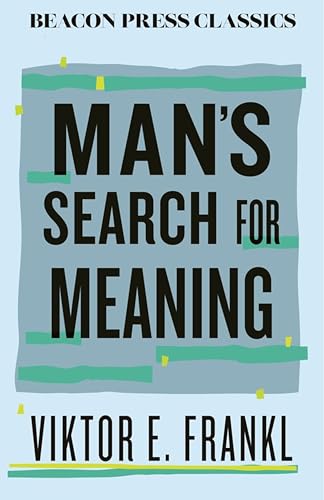
Viktor E. Frankl

Kent Nerburn
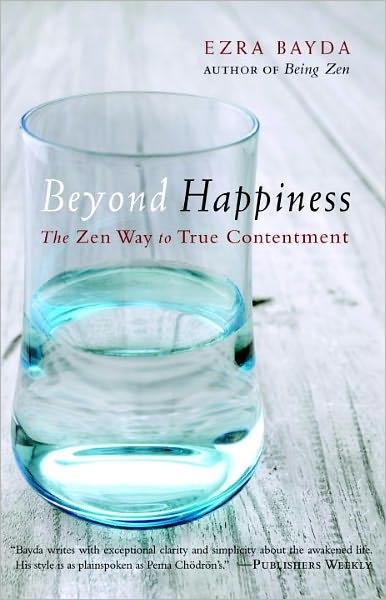
Ezra Bayda
The quest for happiness often leads to frustration, as many fail to realize that the...

Reaching sixty can evoke complex emotions, blending relief with ongoing ambition. This...

The quest for life's purpose often leads to unsatisfactory answers. This article...

Imagine going through one of the most physically and emotionally demanding experiences...

Romantic love is a complex emotion shaped by historical, cultural, and biological...

Daily actions often conflict with personal beliefs due to past experiences. By utilizing...

Have you ever argued over something that wasn't actually said? From cultural differences...

Therapists often use dream interpretation to delve into patients' emotions, but true...