
Happiness & Success
Achieving Happiness Through Acceptance of Life
The quest for happiness often leads to frustration, as many fail to realize that the...









Death remains one of the last great taboos in Western culture, yet it is the one universal experience that awaits us all. Despite its inevitability, most people approach the end of life with fear, denial, or profound uncertainty about how to navigate this sacred transition with grace and meaning. Drawing from decades of nursing experience in hospice and palliative care, combined with deep spiritual wisdom traditions, this groundbreaking work offers a compassionate roadmap for transforming our relationship with mortality and discovering the profound opportunities for growth that exist within life's final chapter.
At its heart, this work presents death not as an enemy to be defeated or a failure of medicine, but as a natural passage deserving of the same reverence and careful preparation we might give to birth or other significant life transitions. The perspective shared here emerges from countless hours spent at bedsides, witnessing both peaceful passings and difficult deaths, and recognizing the factors that distinguish one from the other. What becomes clear through these observations is that how we die matters enormously, not just for the dying person but for everyone touched by that death.
Readers will discover practical guidance for preparing spiritually and emotionally for their own eventual death or for supporting loved ones through this transition. The approach integrates insights from Buddhist teachings on impermanence and conscious dying, Native American wisdom traditions, and contemplative practices from various spiritual paths. These are not presented as religious dogma but as universal principles that can enhance anyone's experience, regardless of their particular faith tradition or lack thereof.
Read more ▼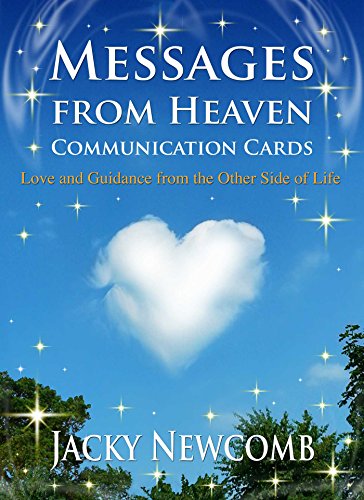
Messages from Heaven Communication Cards
Jacky Newcomb

Matthew Burton Bowman
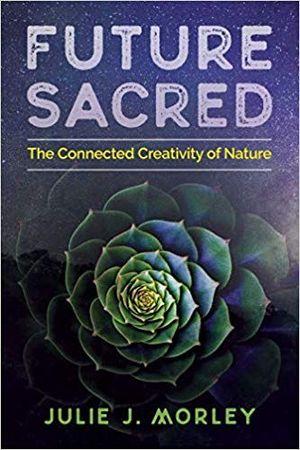
Julie J. Morley, Glenn Aparicio Parry

Wayne W. Dyer
The quest for happiness often leads to frustration, as many fail to realize that the...

Reaching sixty can evoke complex emotions, blending relief with ongoing ambition. This...

The quest for life's purpose often leads to unsatisfactory answers. This article...

Imagine going through one of the most physically and emotionally demanding experiences...

Romantic love is a complex emotion shaped by historical, cultural, and biological...

Daily actions often conflict with personal beliefs due to past experiences. By utilizing...

Have you ever argued over something that wasn't actually said? From cultural differences...

Therapists often use dream interpretation to delve into patients' emotions, but true...