
Happiness & Success
Achieving Happiness Through Acceptance of Life
The quest for happiness often leads to frustration, as many fail to realize that the...








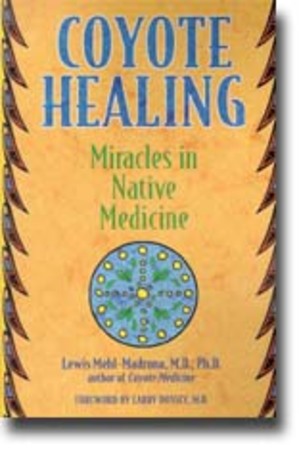
Modern medicine has given us remarkable tools for treating disease, yet something essential is often missing from the sterile examination rooms and pharmaceutical prescriptions that dominate healthcare today. A profound exploration of indigenous healing wisdom combined with contemporary medical practice reveals how stories, community, ceremony, and connection can transform the healing process in ways that conventional medicine alone cannot achieve.
Drawing from decades of clinical experience as both a traditionally trained physician and a practitioner versed in Native American healing traditions, this groundbreaking work bridges two worlds that Western society has long kept separate. The integration of Coyote Medicine principles with standard medical care offers patients and practitioners alike a more complete, holistic approach to health and wellness. Rather than dismissing either modern science or traditional wisdom, the approach presented here demonstrates how both can work synergistically to address not just physical symptoms but the emotional, spiritual, and social dimensions of illness.
At the heart of this transformative approach lies the understanding that healing is fundamentally different from curing. While curing focuses on eliminating disease, healing addresses the whole person and their relationship with illness, community, and meaning. Through compelling case studies and patient narratives, readers discover how individuals facing serious diagnoses including cancer, chronic pain, diabetes, and mental health challenges found paths to wellness that conventional treatment alone could not provide. These stories illuminate the power of therapeutic storytelling, where patients reframe their relationship with illness through narrative, finding agency and purpose even in the midst of serious health challenges.
Read more ▼
Donna Eden
Marguerite Maury's Guide to aromatherapy
Marguerite Maury, Daniele Ryman
Ran Knishinsky

Mark Hyman, Mark Liponis
The quest for happiness often leads to frustration, as many fail to realize that the...

Reaching sixty can evoke complex emotions, blending relief with ongoing ambition. This...

The quest for life's purpose often leads to unsatisfactory answers. This article...

Romantic love is a complex emotion shaped by historical, cultural, and biological...

Imagine going through one of the most physically and emotionally demanding experiences...

Daily actions often conflict with personal beliefs due to past experiences. By utilizing...

Have you ever argued over something that wasn't actually said? From cultural differences...

Therapists often use dream interpretation to delve into patients' emotions, but true...