

Happiness & Success
Achieving Happiness Through Acceptance of Life
The quest for happiness often leads to frustration, as many fail to realize that the...









For thousands of years, the Western world has worshipped a singular male deity, accepting this as the natural and eternal order of things. Yet buried beneath centuries of patriarchal tradition lies a startling truth that challenges everything we've been taught about the divine: the God of the Hebrew Bible once had a consort, a powerful feminine presence who stood beside him as an equal partner in creation and worship.
This groundbreaking exploration takes readers on a revelatory journey through ancient texts, archaeological discoveries, and historical records that have been overlooked, suppressed, or deliberately hidden from mainstream religious discourse. The evidence is compelling and undeniable: Asherah, a goddess revered throughout the ancient Near East, was once worshipped alongside Yahweh in temples, homes, and sacred spaces throughout ancient Israel and Judah. She was not a foreign interloper or a pagan corruption, but an integral part of the spiritual landscape that predated the monotheistic revolution we now take for granted.
Drawing from biblical passages that have been mistranslated or misinterpreted, archaeological findings from temple sites, and inscriptions that explicitly reference "Yahweh and his Asherah," a fascinating picture emerges of a religious tradition far more complex and inclusive than modern practitioners might imagine. The feminine divine was not absent from the roots of Western religion but was systematically edited out, her worship condemned as heresy, her symbols destroyed, and her very existence nearly erased from collective memory.
Read more ▼
Joe Dispenza

Douglas Stone, Sheila Heen
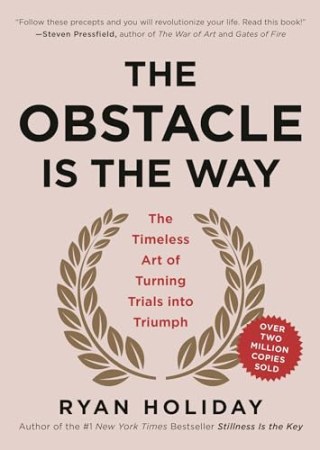
Ryan Holiday
The quest for happiness often leads to frustration, as many fail to realize that the...

Reaching sixty can evoke complex emotions, blending relief with ongoing ambition. This...

The quest for life's purpose often leads to unsatisfactory answers. This article...

Imagine going through one of the most physically and emotionally demanding experiences...

Romantic love is a complex emotion shaped by historical, cultural, and biological...

Daily actions often conflict with personal beliefs due to past experiences. By utilizing...

Have you ever argued over something that wasn't actually said? From cultural differences...

Therapists often use dream interpretation to delve into patients' emotions, but true...