

Happiness & Success
Achieving Happiness Through Acceptance of Life
The quest for happiness often leads to frustration, as many fail to realize that the...








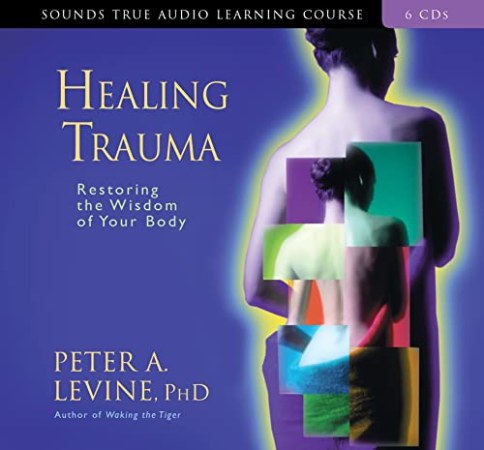
Trauma lives in the body, not just in memories and thoughts. This groundbreaking work reveals how our nervous system holds onto traumatic experiences and offers a revolutionary pathway to healing that taps into our innate capacity for recovery. Drawing on decades of clinical research and practice, this resource illuminates why traditional talk therapy alone often fails to resolve trauma's deepest wounds and presents a somatic approach that addresses the physiological imprint of overwhelming experiences.
The foundation rests on a fascinating observation from the animal kingdom. Wild animals regularly face life-threatening situations yet rarely suffer from post-traumatic stress. They possess an instinctive mechanism for discharging the intense survival energy mobilized during danger. Humans, however, often override these natural responses through our highly developed neocortex, leaving traumatic energy trapped within our nervous system. This incomplete survival response creates the symptoms we associate with trauma: hypervigilance, anxiety, depression, chronic pain, and a persistent sense that something is fundamentally wrong.
Readers discover how trauma fundamentally differs from stress. While stress is an external pressure that challenges our coping mechanisms, trauma occurs when an experience overwhelms our capacity to respond effectively. The immobilization response, often misunderstood as weakness or failure, represents a biological mechanism that helped our ancestors survive when neither fight nor flight was possible. Understanding this protective shutdown as a natural survival strategy rather than personal inadequacy transforms how we approach recovery.
Read more ▼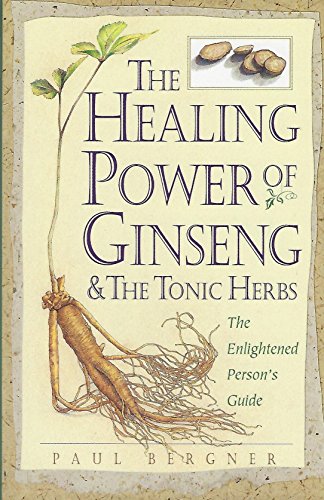
The healing power of ginseng & the tonic herbs
Paul Bergner

Brant Secunda
The quest for happiness often leads to frustration, as many fail to realize that the...

Reaching sixty can evoke complex emotions, blending relief with ongoing ambition. This...

The quest for life's purpose often leads to unsatisfactory answers. This article...

Imagine going through one of the most physically and emotionally demanding experiences...

Romantic love is a complex emotion shaped by historical, cultural, and biological...

Daily actions often conflict with personal beliefs due to past experiences. By utilizing...

Have you ever argued over something that wasn't actually said? From cultural differences...

Therapists often use dream interpretation to delve into patients' emotions, but true...