




Happiness & Success
Achieving Happiness Through Acceptance of Life
The quest for happiness often leads to frustration, as many fail to realize that the...








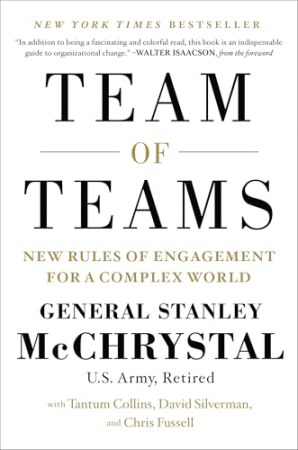
The traditional hierarchical model of leadership and organization that served humanity for centuries is crumbling under the weight of twenty-first-century complexity. What worked in predictable, slow-moving environments now fails spectacularly in our interconnected, rapidly changing world. This profound exploration of organizational transformation reveals how the principles that enabled a military task force to adapt and succeed against a nimble enemy can revolutionize how we approach leadership, teamwork, and personal effectiveness in any domain of life.
At the heart of this work lies a powerful truth: efficiency, once the holy grail of organizational success, is no longer sufficient. In a world where disruption can come from anywhere at any moment, adaptability has become the essential capability. Drawing from firsthand experience leading operations in one of the most challenging and unpredictable environments imaginable, this narrative demonstrates how rigid command-and-control structures, no matter how expertly managed, cannot keep pace with networked, agile threats and opportunities.
The transformation described here required dismantling deeply ingrained assumptions about how organizations should function. Traditional military hierarchy emphasized clear chains of command, compartmentalized information, and centralized decision-making. While this created impressive efficiency in stable conditions, it proved dangerously inadequate when facing adversaries who operated as fluid networks, sharing information freely and empowering individuals to act independently. The lesson extends far beyond military applications—any organization, team, or individual operating in today's complex landscape faces similar challenges.
Read more ▼
The quest for happiness often leads to frustration, as many fail to realize that the...

Reaching sixty can evoke complex emotions, blending relief with ongoing ambition. This...

The quest for life's purpose often leads to unsatisfactory answers. This article...

Romantic love is a complex emotion shaped by historical, cultural, and biological...

Imagine going through one of the most physically and emotionally demanding experiences...

Have you ever argued over something that wasn't actually said? From cultural differences...

Daily actions often conflict with personal beliefs due to past experiences. By utilizing...

Therapists often use dream interpretation to delve into patients' emotions, but true...