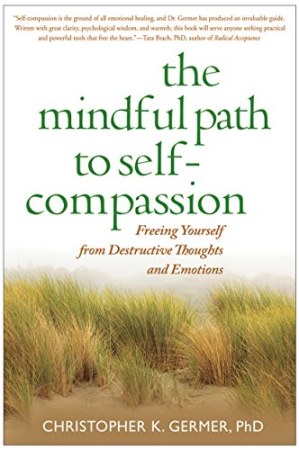




Learning to treat ourselves with the same kindness we would offer a good friend lies at the heart of this transformative exploration of self-compassion through mindfulness practice. For anyone who has struggled with harsh self-criticism, feelings of inadequacy, or the painful belief that they are somehow not enough, this comprehensive guide offers both scientific understanding and practical pathways toward healing.
The foundation rests on a profound yet simple truth: our relationship with ourselves fundamentally shapes every other relationship in our lives. When we approach our own struggles, imperfections, and pain with judgment and criticism, we create an internal environment of stress and suffering that spills over into our connections with partners, family members, friends, and colleagues. Conversely, when we cultivate genuine compassion for ourselves, we naturally become more capable of offering authentic compassion to others.
Drawing from both ancient Buddhist wisdom and contemporary psychological research, the material presents self-compassion not as self-indulgence or narcissism, but as a courageous way of relating to our human experience. Three essential elements define this practice: treating ourselves with kindness rather than harsh judgment, recognizing our common humanity rather than feeling isolated by our struggles, and maintaining mindful awareness of difficult emotions rather than avoiding or over-identifying with them.
Readers discover how mindfulness meditation serves as the primary vehicle for developing self-compassion. Through carefully crafted exercises and practices, guidance is provided for learning to notice when self-criticism arises, to pause in those moments, and to consciously choose a more compassionate response. These aren't merely theoretical concepts but embodied practices designed to create new neural pathways and emotional habits over time.
One particularly powerful aspect addresses the ways we carry emotional pain in our bodies. Detailed instructions guide readers through loving-kindness meditation, compassionate breathing exercises, and body scan practices specifically designed to soften the physical manifestations of self-judgment and shame. This somatic dimension recognizes that transformation happens not just in our minds but in our entire being.
The exploration also tackles common obstacles that arise when people begin practicing self-compassion. Many discover unexpected resistance, sometimes feeling that being kind to themselves is weak, selfish, or will lead to complacency. These fears are addressed with both psychological insight and practical strategies for working through blocks. There's particular attention to the backdraft effect, where opening to self-compassion can initially bring up old pain that has been suppressed, along with guidance for navigating these challenging moments.
Real-world applications demonstrate how self-compassion practice transforms intimate relationships. When we stop demanding perfection from ourselves, we naturally become less critical of partners. When we can acknowledge our own vulnerabilities with kindness, we create space for authentic emotional intimacy. When we treat our own mistakes as opportunities for learning rather than evidence of unworthiness, we model this grace in our relationships with others.
The material includes structured eight-week program guidelines that readers can follow independently or adapt to their own pace. Weekly themes build progressively, beginning with foundational mindfulness skills and gradually introducing deeper layers of self-compassion practice. Each chapter concludes with specific meditations and exercises, many accompanied by recorded audio guidance available separately.
Scientific research throughout the text validates these practices, showing measurable benefits including reduced anxiety and depression, increased emotional resilience, greater life satisfaction, and improved relationship quality. Yet the presentation never feels clinical or detached. Personal stories and clinical examples bring the concepts to life, illustrating both the struggles and breakthroughs that characterize this journey.
Perhaps most importantly, this resource acknowledges that developing self-compassion is itself a practice in self-compassion. There will be days when we forget, when old patterns reassert themselves, when we find ourselves once again caught in self-judgment. The invitation is always to begin again, treating even our failures at self-compassion with compassion.
For anyone seeking to heal their relationship with themselves and thereby transform all their relationships, this guide offers a thoroughly researched, deeply practical, and genuinely compassionate roadmap forward.