


Happiness & Success
Achieving Happiness Through Acceptance of Life
The quest for happiness often leads to frustration, as many fail to realize that the...








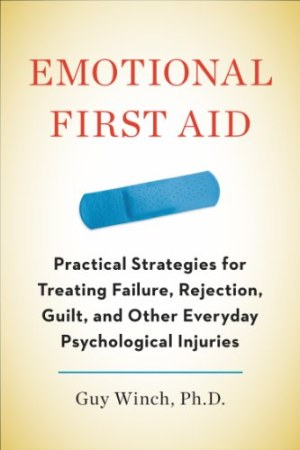
We tend to our physical injuries with remarkable diligence. A scraped knee gets cleaned and bandaged. A persistent cough sends us to the doctor. A broken bone receives immediate medical attention. Yet when it comes to psychological injuries—rejection, failure, guilt, rumination, loss, or low self-esteem—most of us simply endure the pain, hoping it will eventually fade on its own. This approach reveals a troubling gap in how we care for ourselves, one that can have profound consequences for our overall wellbeing and quality of life.
Just as physical wounds require treatment to heal properly and prevent infection, emotional and psychological injuries need active intervention to keep them from festering and causing long-term damage. Drawing on years of clinical experience and extensive psychological research, this groundbreaking guide introduces a revolutionary concept: that we can and should apply the same first aid principles to our emotional lives that we routinely use for our physical health.
The premise is both simple and transformative. Psychological injuries are incredibly common—everyone experiences rejection, failure, and loneliness at various points in their lives. These aren't signs of weakness or character flaws; they're simply part of being human. However, when left untreated, these wounds can significantly impact our mental health, our relationships, our performance at work, and our general happiness. They can lower our self-esteem, trigger anxiety and depression, and create patterns of negative thinking that become increasingly difficult to break.
Read more ▼
The quest for happiness often leads to frustration, as many fail to realize that the...

Reaching sixty can evoke complex emotions, blending relief with ongoing ambition. This...

The quest for life's purpose often leads to unsatisfactory answers. This article...

Romantic love is a complex emotion shaped by historical, cultural, and biological...

Imagine going through one of the most physically and emotionally demanding experiences...

Daily actions often conflict with personal beliefs due to past experiences. By utilizing...

Have you ever argued over something that wasn't actually said? From cultural differences...

Therapists often use dream interpretation to delve into patients' emotions, but true...