
Happiness & Success
Achieving Happiness Through Acceptance of Life
The quest for happiness often leads to frustration, as many fail to realize that the...









Understanding the journey from boyhood to manhood has never been more critical in our modern world. Young males today face unprecedented challenges as they navigate adolescence and early adulthood without the traditional rites of passage and mentorship structures that once guided previous generations. This comprehensive exploration examines how boys can be supported in developing into emotionally healthy, socially responsible, and spiritually grounded men.
At the heart of this work lies a profound recognition that contemporary society has largely abandoned the meaningful rituals and community-based initiation practices that historically helped boys transition into manhood. Without these crucial markers and experiences, many young males find themselves adrift, unsure of what healthy masculinity looks like and lacking the tools to navigate the complex emotional and social terrain of growing up. The resulting crisis manifests in numerous ways, from emotional disconnection and relationship difficulties to behavioral problems and a sense of purposelessness that can persist well into adulthood.
Drawing on cross-cultural research, psychological insights, and anthropological studies of traditional societies, this resource offers a roadmap for creating contemporary rites of passage that honor timeless wisdom while remaining relevant to modern life. Readers will discover how cultures around the world have successfully guided young males through structured experiences that foster courage, responsibility, emotional intelligence, and connection to community. These insights provide a foundation for understanding what boys truly need to mature into well-adjusted men capable of contributing meaningfully to society.
Read more ▼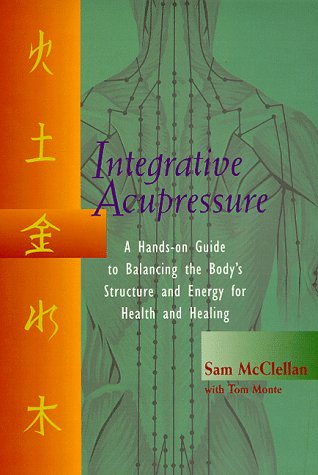
Sam McClellan
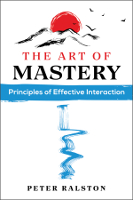
Peter Ralston

Bruce Schneier

David Krieger
The quest for happiness often leads to frustration, as many fail to realize that the...

Reaching sixty can evoke complex emotions, blending relief with ongoing ambition. This...

The quest for life's purpose often leads to unsatisfactory answers. This article...

Romantic love is a complex emotion shaped by historical, cultural, and biological...

Imagine going through one of the most physically and emotionally demanding experiences...

Daily actions often conflict with personal beliefs due to past experiences. By utilizing...

Have you ever argued over something that wasn't actually said? From cultural differences...

Therapists often use dream interpretation to delve into patients' emotions, but true...