
Happiness & Success
Achieving Happiness Through Acceptance of Life
The quest for happiness often leads to frustration, as many fail to realize that the...








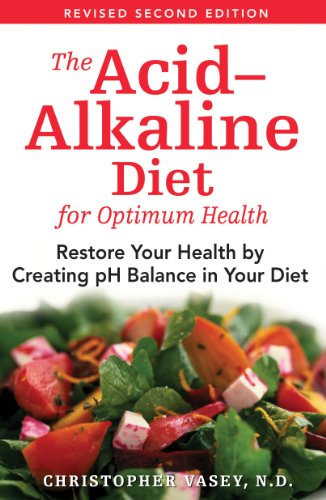
Understanding the delicate balance of pH levels in your body could be the missing key to vibrant health, increased energy, and freedom from many chronic ailments. This comprehensive guide explores how the foods we eat directly influence our internal pH balance and, consequently, our overall wellbeing. Through detailed explanations and practical applications, readers discover how modern dietary habits have shifted our bodies toward dangerous acidity, contributing to a wide array of health problems that plague contemporary society.
The foundation of this nutritional approach rests on a simple yet profound principle: our bodies function optimally within a specific pH range, and when we consistently consume foods that push us toward acidity, we create an internal environment where disease can flourish. From fatigue and weight gain to more serious conditions like osteoporosis, kidney stones, and chronic inflammation, the effects of excess acidity touch nearly every aspect of physical health. What makes this perspective particularly valuable is its basis in both traditional wisdom and scientific understanding, bridging ancient healing practices with modern biochemistry.
Readers embark on a journey through the mechanics of pH balance, learning how the body works tirelessly to maintain proper acidity levels through various buffer systems and elimination processes. When these systems become overwhelmed by poor dietary choices, environmental toxins, and stress, the body must draw upon its mineral reserves, particularly calcium from bones and magnesium from tissues, to neutralize excess acids. This ongoing depletion explains why so many people struggle with mineral deficiencies despite adequate intake, as their bodies continuously sacrifice these essential nutrients to maintain pH balance.
Read more ▼
Julie Daniluk
The South Beach Diet Parties and Holidays Cookbook
Arthur Agatston
The organic gardener's home reference
Tanya Denckla
Marcus A. Webb
The quest for happiness often leads to frustration, as many fail to realize that the...

Reaching sixty can evoke complex emotions, blending relief with ongoing ambition. This...

The quest for life's purpose often leads to unsatisfactory answers. This article...

Romantic love is a complex emotion shaped by historical, cultural, and biological...

Imagine going through one of the most physically and emotionally demanding experiences...

Daily actions often conflict with personal beliefs due to past experiences. By utilizing...

Have you ever argued over something that wasn't actually said? From cultural differences...

Therapists often use dream interpretation to delve into patients' emotions, but true...