
Happiness & Success
Achieving Happiness Through Acceptance of Life
The quest for happiness often leads to frustration, as many fail to realize that the...








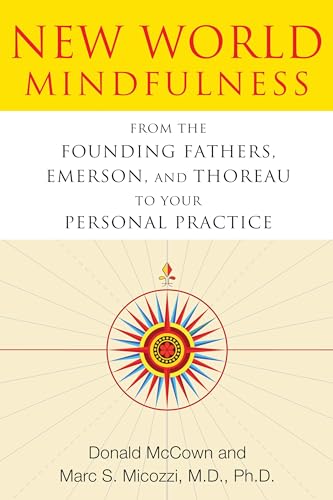
Mindfulness practice has traveled a remarkable journey from ancient Buddhist monasteries to modern Western hospitals, therapy offices, and corporate boardrooms. Yet this translation across cultures and centuries raises profound questions about authenticity, adaptation, and what happens when contemplative traditions meet contemporary science and secularism. At the intersection of these questions lies a thoughtful exploration of how mindfulness has been reimagined for Western audiences and what this transformation means for practitioners today.
The landscape of American mindfulness represents a fascinating case study in cultural transmission and innovation. Drawing from careful historical analysis and critical examination, this work traces how meditative practices rooted in Buddhist philosophy have been systematically adapted, reframed, and secularized to address modern concerns ranging from stress reduction to chronic pain management. Rather than simply celebrating or condemning this evolution, the examination takes a nuanced approach to understanding both the gains and losses inherent in this cross-cultural journey.
Readers will discover how mindfulness evolved from a religious practice embedded in ethical frameworks and philosophical worldviews into a therapeutic intervention grounded in neuroscience and clinical research. This transformation didn't happen accidentally but through deliberate choices made by pioneering figures who saw potential for these ancient practices to alleviate contemporary suffering. The detailed historical narrative reveals the creative tensions, compromises, and innovations that shaped modern mindfulness into its current forms.
Read more ▼
James Baraz
Hunt Henion
Awakening from the American Dream
Master Charles Cannon, Will Willkinson

William Stillman
The quest for happiness often leads to frustration, as many fail to realize that the...

Reaching sixty can evoke complex emotions, blending relief with ongoing ambition. This...

The quest for life's purpose often leads to unsatisfactory answers. This article...

Romantic love is a complex emotion shaped by historical, cultural, and biological...

Imagine going through one of the most physically and emotionally demanding experiences...

Daily actions often conflict with personal beliefs due to past experiences. By utilizing...

Have you ever argued over something that wasn't actually said? From cultural differences...

Therapists often use dream interpretation to delve into patients' emotions, but true...