
Happiness & Success
Achieving Happiness Through Acceptance of Life
The quest for happiness often leads to frustration, as many fail to realize that the...








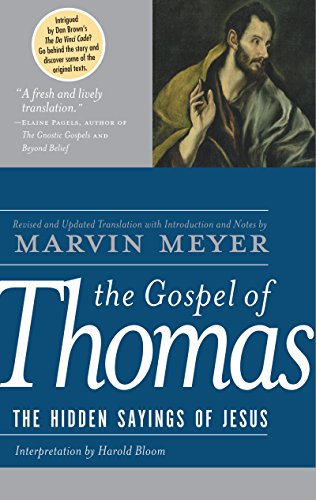
Hidden away for nearly two thousand years beneath the Egyptian desert sands, a collection of sayings attributed to Jesus offers a radically different perspective on Christian spirituality—one that emphasizes personal transformation, direct spiritual knowledge, and the discovery of the divine within. This ancient text, discovered near Nag Hammadi in 1945, presents 114 sayings that challenge conventional religious thinking and invite readers into a more mystical, introspective understanding of spiritual truth.
Unlike the narrative gospels found in the New Testament, this text consists primarily of wisdom sayings, parables, and brief dialogues that require contemplation and personal interpretation. The emphasis throughout is on self-knowledge as the path to salvation, a concept that resonates powerfully with contemporary seekers who feel disconnected from institutional religion yet hunger for authentic spiritual experience. The opening declaration sets the tone immediately: those who discover the interpretation of these sayings will not taste death—a promise not of physical immortality but of spiritual awakening.
What makes this collection so compelling for modern readers is its focus on the Kingdom of Heaven as a present reality rather than a future reward. Repeatedly, the sayings point toward an understanding that the divine realm is not somewhere distant or external but exists within and around us, waiting to be recognized by those with eyes to see. This shift from external authority to internal discovery places tremendous power in the hands of individual seekers, making personal empowerment the very heart of the spiritual journey described.
Read more ▼
Spring Warren
Mark Coleman

Phil Cummings, Shane Devries

Louise L. Hay
The quest for happiness often leads to frustration, as many fail to realize that the...

Reaching sixty can evoke complex emotions, blending relief with ongoing ambition. This...

The quest for life's purpose often leads to unsatisfactory answers. This article...

Romantic love is a complex emotion shaped by historical, cultural, and biological...

Imagine going through one of the most physically and emotionally demanding experiences...

Daily actions often conflict with personal beliefs due to past experiences. By utilizing...

Have you ever argued over something that wasn't actually said? From cultural differences...

Therapists often use dream interpretation to delve into patients' emotions, but true...