
Happiness & Success
Achieving Happiness Through Acceptance of Life
The quest for happiness often leads to frustration, as many fail to realize that the...








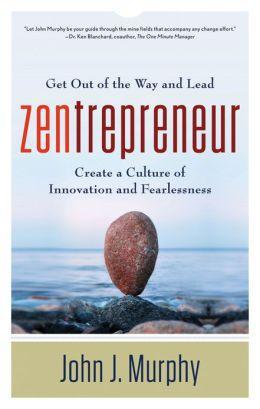
Leadership in the modern business world demands a radical shift in consciousness. Rather than controlling every detail and micromanaging teams, truly effective leaders learn to step aside, trust their people, and create environments where innovation flourishes naturally. This transformative approach to business leadership merges Eastern philosophy with Western management practices, offering a path to organizational excellence that begins with personal transformation.
At the heart of this methodology lies a paradoxical truth: the best way to lead is often to get out of the way. This doesn't mean abdicating responsibility or abandoning oversight. Instead, it calls for developing a deeper awareness of how ego-driven behaviors, fear-based decision making, and attachment to outdated processes can stifle creativity and prevent organizations from reaching their full potential. By examining the unconscious patterns that create barriers to success, leaders discover how their own internal obstacles manifest as organizational challenges.
The framework presented draws heavily from Zen principles, particularly the concept of beginner's mind and the practice of being fully present. When leaders approach challenges without preconceptions, they open space for breakthrough solutions that wouldn't emerge through conventional thinking. This mindful approach to business creates a culture where employees feel empowered to take intelligent risks, speak truth to power, and contribute their best ideas without fear of punishment or ridicule.
Read more ▼
Bruce H. Lipton
How to Retire Happy, Wild, and Free
Ernie J. Zelinski

Goswami Kriyananda

Alice Callahan
The quest for happiness often leads to frustration, as many fail to realize that the...

Reaching sixty can evoke complex emotions, blending relief with ongoing ambition. This...

The quest for life's purpose often leads to unsatisfactory answers. This article...

Romantic love is a complex emotion shaped by historical, cultural, and biological...

Imagine going through one of the most physically and emotionally demanding experiences...

Daily actions often conflict with personal beliefs due to past experiences. By utilizing...

Have you ever argued over something that wasn't actually said? From cultural differences...

Therapists often use dream interpretation to delve into patients' emotions, but true...