
Happiness & Success
Achieving Happiness Through Acceptance of Life
The quest for happiness often leads to frustration, as many fail to realize that the...








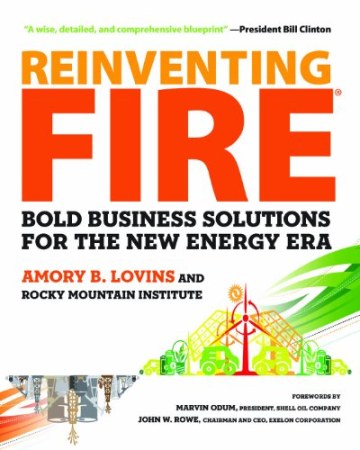
Imagine a future where America thrives on clean, affordable energy without needing oil, coal, or nuclear power. This groundbreaking work presents a comprehensive roadmap for transforming the United States energy system by 2050, demonstrating how market-driven innovations can create prosperity while protecting the planet. Grounded in decades of research and practical experience, this vision offers readers not just hope, but concrete strategies for participating in one of the most significant transformations of our time.
At its core, this exploration reveals how energy efficiency and renewable resources can power transportation, buildings, industry, and electricity generation more effectively and economically than our current fossil fuel dependent system. Through meticulous analysis and compelling case studies, readers discover that the clean energy transition isn't merely an environmental imperative—it's a tremendous economic opportunity that can revitalize communities, create millions of jobs, and enhance national security.
The transportation revolution stands as one of the most accessible entry points for personal empowerment in this transformation. Detailed examination of vehicle design, materials science, and emerging technologies shows how cars and trucks can become dramatically more efficient while maintaining performance and safety. Readers learn about revolutionary manufacturing techniques using advanced materials that can triple fuel economy, and how electric and hydrogen vehicles are poised to transform mobility. Understanding these developments empowers individuals to make informed choices about personal transportation while recognizing their role in demanding better options from manufacturers and policymakers.
Read more ▼
Nina Anderson
Danny Pharr

Guy Finley

Dean Baker
The quest for happiness often leads to frustration, as many fail to realize that the...

Reaching sixty can evoke complex emotions, blending relief with ongoing ambition. This...

The quest for life's purpose often leads to unsatisfactory answers. This article...

Imagine going through one of the most physically and emotionally demanding experiences...

Romantic love is a complex emotion shaped by historical, cultural, and biological...

Daily actions often conflict with personal beliefs due to past experiences. By utilizing...

Have you ever argued over something that wasn't actually said? From cultural differences...

Therapists often use dream interpretation to delve into patients' emotions, but true...