




Happiness & Success
Achieving Happiness Through Acceptance of Life
The quest for happiness often leads to frustration, as many fail to realize that the...








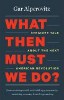
America stands at a crossroads, facing challenges that seem insurmountable through conventional political and economic approaches. Growing inequality, environmental degradation, political gridlock, and the erosion of community vitality have left millions feeling powerless and disconnected. Yet beneath the surface of these crises, a remarkable transformation is already underway—one that offers genuine hope and practical pathways toward reclaiming personal agency and rebuilding thriving communities from the ground up.
This groundbreaking work reveals how thousands of Americans are pioneering innovative economic models that redistribute wealth, deepen democracy, and restore ecological balance. These aren't distant utopian visions or abstract theories, but tangible initiatives already demonstrating success in cities and towns across the nation. From worker-owned cooperatives that give employees direct control over their livelihoods to community land trusts that make housing permanently affordable, from municipal utilities that keep resources in local hands to state-owned banks that serve public rather than private interests, a new economic architecture is emerging.
What makes this exploration particularly powerful is its foundation in addressing a fundamental crisis of meaning and purpose. When traditional institutions fail to provide security, dignity, or authentic participation in shaping our collective future, people naturally feel disempowered and disconnected. The emerging economic models described here offer more than financial alternatives—they provide opportunities for genuine engagement, collaborative problem-solving, and the restoration of human-scale community relationships that have been eroded by decades of corporate consolidation and political dysfunction.
Read more ▼
The quest for happiness often leads to frustration, as many fail to realize that the...

Reaching sixty can evoke complex emotions, blending relief with ongoing ambition. This...

The quest for life's purpose often leads to unsatisfactory answers. This article...

Imagine going through one of the most physically and emotionally demanding experiences...

Romantic love is a complex emotion shaped by historical, cultural, and biological...

Daily actions often conflict with personal beliefs due to past experiences. By utilizing...

Have you ever argued over something that wasn't actually said? From cultural differences...

Therapists often use dream interpretation to delve into patients' emotions, but true...