
Happiness & Success
Achieving Happiness Through Acceptance of Life
The quest for happiness often leads to frustration, as many fail to realize that the...








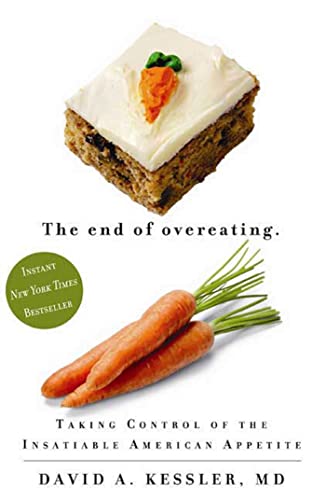
Understanding why we continue eating long after our bodies signal fullness represents one of the most crucial challenges facing modern society. This groundbreaking exploration into the science of overeating reveals how the food industry has engineered products that hijack our brain chemistry, creating a cycle of craving and consumption that feels impossible to break. By examining the neurological, psychological, and behavioral mechanisms that drive us to overeat, this work provides readers with the knowledge needed to reclaim control over their eating habits and, ultimately, their lives.
The journey begins with an eye-opening investigation into how food manufacturers have perfected combinations of sugar, fat, and salt that trigger intense pleasure responses in our brains. These hyper-palatable foods are deliberately designed to override our natural satiety signals, creating what scientists call "conditioned hypereating." Through compelling research and real-world examples, readers discover that their struggles with food are not failures of willpower but rather predictable responses to foods engineered to be irresistible. This realization alone can be profoundly liberating for those who have blamed themselves for their eating behaviors.
The neurological basis of food cravings receives detailed attention, illuminating how certain foods stimulate the release of dopamine and other neurotransmitters associated with reward and pleasure. This process creates neural pathways similar to those formed by addictive substances, explaining why we can feel genuinely compelled to seek out specific foods even when we're not hungry. Understanding these biological mechanisms empowers readers to recognize that changing eating patterns requires more than simple discipline—it demands a comprehensive rewiring of deeply ingrained neural responses.
Read more ▼
Carol (Carol Elaine) Anderson

Carol Emery Normandi, Lauralee Roark

Thomas Berry

Jagdish C. Maheshri
The quest for happiness often leads to frustration, as many fail to realize that the...

Reaching sixty can evoke complex emotions, blending relief with ongoing ambition. This...

The quest for life's purpose often leads to unsatisfactory answers. This article...

Imagine going through one of the most physically and emotionally demanding experiences...

Romantic love is a complex emotion shaped by historical, cultural, and biological...

Daily actions often conflict with personal beliefs due to past experiences. By utilizing...

Have you ever argued over something that wasn't actually said? From cultural differences...

Therapists often use dream interpretation to delve into patients' emotions, but true...