


Happiness & Success
Achieving Happiness Through Acceptance of Life
The quest for happiness often leads to frustration, as many fail to realize that the...








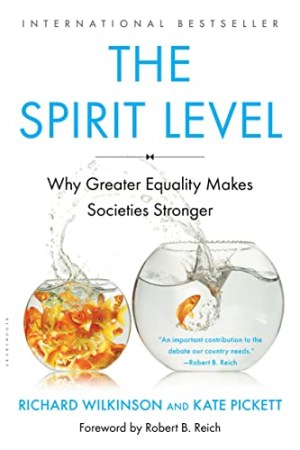
Understanding the invisible forces that shape our wellbeing, happiness, and sense of purpose requires looking beyond individual circumstances to the broader social landscape we inhabit. This groundbreaking work reveals how the level of economic inequality in our societies profoundly affects nearly every aspect of our lives, from our mental health and longevity to our ability to trust others and find meaning in our communities.
Drawing on decades of research across wealthy nations, this exploration demonstrates that once countries reach a certain level of wealth, it's not overall prosperity that determines quality of life, but rather how evenly or unevenly that wealth is distributed. The evidence presented spans multiple domains of human experience, showing that more equal societies consistently outperform unequal ones on measures including life expectancy, mental illness rates, drug addiction, obesity, educational performance, teenage pregnancy, homicide rates, imprisonment, and social mobility.
What makes this analysis particularly relevant for personal empowerment is its revelation of how inequality operates as a social toxin, poisoning the psychological environment in which we all develop and function. In highly unequal societies, status anxiety becomes pervasive. People constantly measure themselves against others, experiencing chronic stress about their position in the social hierarchy. This anxiety doesn't just affect those at the bottom; it permeates all levels of society, creating a culture of comparison, competition, and insecurity that undermines genuine self-worth and authentic connection.
Read more ▼
The quest for happiness often leads to frustration, as many fail to realize that the...

Reaching sixty can evoke complex emotions, blending relief with ongoing ambition. This...

The quest for life's purpose often leads to unsatisfactory answers. This article...

Romantic love is a complex emotion shaped by historical, cultural, and biological...

Imagine going through one of the most physically and emotionally demanding experiences...

Have you ever argued over something that wasn't actually said? From cultural differences...

Daily actions often conflict with personal beliefs due to past experiences. By utilizing...

Therapists often use dream interpretation to delve into patients' emotions, but true...