




Happiness & Success
Achieving Happiness Through Acceptance of Life
The quest for happiness often leads to frustration, as many fail to realize that the...








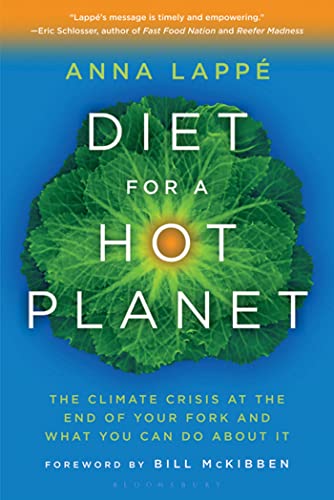
Climate change and food are inextricably linked in ways most people never consider when sitting down to a meal. Every bite we take carries with it a complex story of environmental impact, from the soil where ingredients were grown to the methods used to raise livestock, from the energy consumed in processing to the transportation that brought food to our plates. Understanding this connection opens a doorway to one of the most powerful forms of personal activism available: choosing what we eat with conscious awareness of its planetary consequences.
This groundbreaking exploration reveals how our industrialized food system has become a major contributor to global warming, responsible for nearly one-third of all greenhouse gas emissions worldwide. Rather than presenting this information as a cause for despair, readers discover practical pathways for transformation that begin in their own kitchens and extend outward to influence food systems, agricultural policies, and corporate practices. The message is both urgent and empowering: individual food choices matter tremendously, and collective action can reshape our relationship with the Earth.
The journey begins with a clear-eyed examination of how industrial agriculture, factory farming, and long-distance food transportation create massive carbon footprints. Readers learn about the hidden environmental costs of conventional meat production, where animals raised in concentrated feeding operations require enormous amounts of grain, water, and energy while producing methane emissions that significantly contribute to atmospheric warming. The contrast with traditional, smaller-scale farming practices becomes strikingly apparent, illuminating how agricultural methods that work with natural systems rather than against them can actually help cool the planet.
Read more ▼
The quest for happiness often leads to frustration, as many fail to realize that the...

Reaching sixty can evoke complex emotions, blending relief with ongoing ambition. This...

The quest for life's purpose often leads to unsatisfactory answers. This article...

Romantic love is a complex emotion shaped by historical, cultural, and biological...

Imagine going through one of the most physically and emotionally demanding experiences...

Daily actions often conflict with personal beliefs due to past experiences. By utilizing...

Have you ever argued over something that wasn't actually said? From cultural differences...

Therapists often use dream interpretation to delve into patients' emotions, but true...