
Happiness & Success
Achieving Happiness Through Acceptance of Life
The quest for happiness often leads to frustration, as many fail to realize that the...









Time isn't just something we measure on clocks and calendars. It's a deeply personal experience that shapes how we live, create, and find meaning in our daily existence. Rather than viewing ourselves as perpetual victims of time scarcity, we can learn to cultivate a radically different relationship with time itself—one that transforms how we experience every moment of our lives.
At the heart of this transformative approach lies a powerful truth: we are not merely consumers of time, but active creators of our temporal experience. This shift in perspective opens up extraordinary possibilities for anyone who feels trapped by schedules, overwhelmed by obligations, or constantly racing against an invisible clock. By exploring the intersection of creativity, mindfulness, and intentional living, a new framework emerges for understanding how time actually operates in our lives.
The journey begins with examining our inherited beliefs about time—those unconscious assumptions that tell us we never have enough, that we're always running behind, or that productivity should be measured in hours clocked rather than meaning generated. These cultural narratives about time scarcity create a self-fulfilling prophecy, leaving us perpetually stressed and disconnected from the present moment. By bringing these hidden beliefs into conscious awareness, we gain the power to question and ultimately reshape them.
Read more ▼
Jon Kabat-Zinn

Dick Van Dyke

Barry Dennis
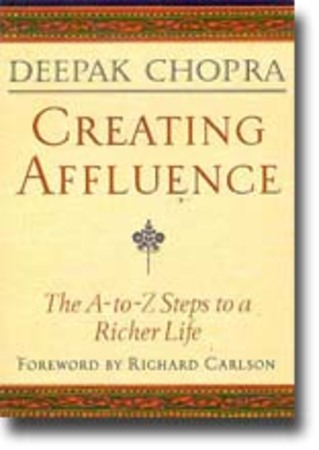
Deepak Chopra
The quest for happiness often leads to frustration, as many fail to realize that the...

Reaching sixty can evoke complex emotions, blending relief with ongoing ambition. This...

The quest for life's purpose often leads to unsatisfactory answers. This article...

Romantic love is a complex emotion shaped by historical, cultural, and biological...

Imagine going through one of the most physically and emotionally demanding experiences...

Daily actions often conflict with personal beliefs due to past experiences. By utilizing...

Have you ever argued over something that wasn't actually said? From cultural differences...

Therapists often use dream interpretation to delve into patients' emotions, but true...