
Happiness & Success
Achieving Happiness Through Acceptance of Life
The quest for happiness often leads to frustration, as many fail to realize that the...








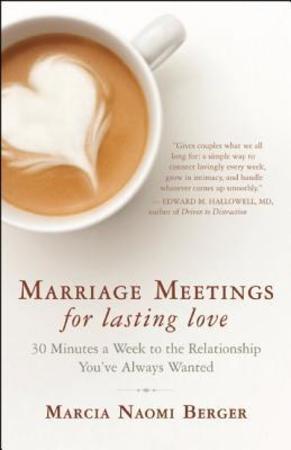
Imagine having a simple yet powerful tool that could transform your marriage from a state of chronic miscommunication and accumulated resentments into a thriving partnership filled with appreciation, connection, and collaborative problem-solving. A structured approach to couple communication offers exactly this possibility, providing a framework that takes just thirty minutes per week yet yields profound results in relationship satisfaction and longevity.
At the heart of this transformative practice lies a deceptively simple concept: regular, structured conversations that follow a specific format designed to address the practical, emotional, and romantic dimensions of partnership. These scheduled discussions become sacred time set aside from the chaos of daily life, creating a container where couples can nurture their relationship intentionally rather than leaving its health to chance.
The foundation rests on four essential components that work synergistically to strengthen the marital bond. First comes the practice of appreciation, where partners take turns expressing genuine gratitude for specific actions, qualities, or efforts. This deliberate focus on the positive creates an atmosphere of goodwill and recognition that counteracts the human tendency to notice what's wrong rather than what's right. By beginning each session with appreciation, couples activate feelings of warmth and connection that make navigating more challenging topics significantly easier.
Read more ▼
Designing the Compassionate City
Jenny Donovan
Lama Palden Drolma
P. M. H. Atwater

Joyce Vissell, Barry Vissell
The quest for happiness often leads to frustration, as many fail to realize that the...

Reaching sixty can evoke complex emotions, blending relief with ongoing ambition. This...

The quest for life's purpose often leads to unsatisfactory answers. This article...

Romantic love is a complex emotion shaped by historical, cultural, and biological...

Imagine going through one of the most physically and emotionally demanding experiences...

Daily actions often conflict with personal beliefs due to past experiences. By utilizing...

Have you ever argued over something that wasn't actually said? From cultural differences...

Therapists often use dream interpretation to delve into patients' emotions, but true...