
Happiness & Success
Achieving Happiness Through Acceptance of Life
The quest for happiness often leads to frustration, as many fail to realize that the...








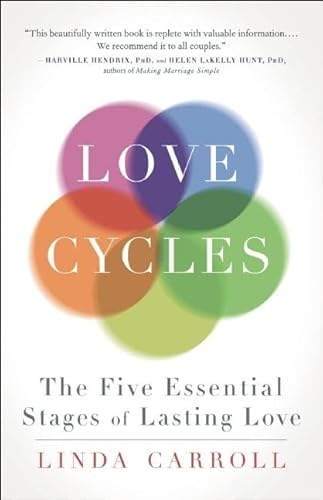
Romantic relationships follow predictable patterns that most of us never learn about, leaving us confused and unprepared when our partnerships inevitably shift and change. Understanding these natural progressions can transform how we experience love, moving us from disappointment and blame to wisdom and deeper connection.
Every romantic relationship moves through five distinct stages, each with its own challenges, gifts, and opportunities for growth. The journey begins with the intoxicating merge stage, where two people fall madly in love and everything feels perfect. During this honeymoon period, differences fade into the background as couples focus on similarities and shared experiences. Brain chemistry floods us with feel-good hormones that create a sense of euphoria and union. This stage serves an important purpose, bonding partners together and creating the foundation for what comes next.
But the merge cannot last forever, and relationships naturally progress into the doubt and denial stage. As the neurochemical cocktail of early love begins to settle, differences that were once invisible become glaringly apparent. Partners start to feel disappointed, confused about why their beloved has changed, or wondering if they chose the wrong person. This stage feels threatening because most people believe that true love should be effortless and unchanging. Without understanding that this shift is normal and necessary, many couples either break up prematurely or slip into destructive patterns of criticism and defensiveness.
Read more ▼
Overcoming Your Difficult Family
Eric Maisel
Jim Dreaver

Patricia B. McConnell

Franz Metcalf, Franz Aubrey Metcalf
The quest for happiness often leads to frustration, as many fail to realize that the...

Reaching sixty can evoke complex emotions, blending relief with ongoing ambition. This...

The quest for life's purpose often leads to unsatisfactory answers. This article...

Romantic love is a complex emotion shaped by historical, cultural, and biological...

Imagine going through one of the most physically and emotionally demanding experiences...

Daily actions often conflict with personal beliefs due to past experiences. By utilizing...

Have you ever argued over something that wasn't actually said? From cultural differences...

Therapists often use dream interpretation to delve into patients' emotions, but true...