
Happiness & Success
Achieving Happiness Through Acceptance of Life
The quest for happiness often leads to frustration, as many fail to realize that the...








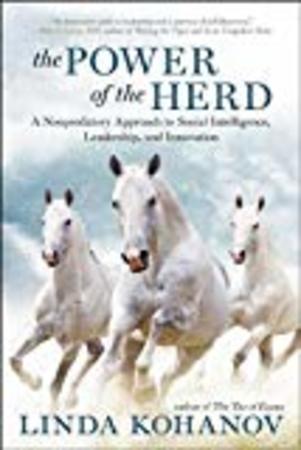
Humans have much to learn from horses about leadership, social intelligence, and the delicate balance between power and cooperation. For thousands of years, these magnificent animals have been our partners, yet we've barely scratched the surface of understanding what they can teach us about navigating the complexities of modern life. By examining how horses naturally organize themselves, make decisions, and maintain herd harmony, we can discover revolutionary approaches to personal empowerment, community building, and authentic leadership that transcend outdated dominance-based models.
At the heart of this exploration lies a fundamental question: What if everything we've been taught about power, control, and leadership is based on faulty assumptions? Traditional hierarchical structures that emphasize command and control have left many feeling disconnected, stressed, and ineffective in their personal and professional lives. Horses offer an alternative paradigm, one rooted in emotional and social intelligence, consensual leadership, and the understanding that true power emerges from cooperation rather than domination.
Readers will discover that horse herds operate through a sophisticated web of relationships that balances individual autonomy with collective wellbeing. Lead mares don't rule through force or intimidation but through earned trust, demonstrated competence, and an uncanny ability to sense danger and opportunity. Stallions, contrary to popular myth, rarely lead the herd's daily activities, instead serving as guardians who intervene only when necessary. This nuanced understanding of roles and responsibilities offers profound insights for anyone seeking to lead more effectively in their families, workplaces, or communities.
Read more ▼
Ronald P. Villano

Elizabeth Grossman

Tonilyn Hornung

Jane Foley
The quest for happiness often leads to frustration, as many fail to realize that the...

Reaching sixty can evoke complex emotions, blending relief with ongoing ambition. This...

The quest for life's purpose often leads to unsatisfactory answers. This article...

Romantic love is a complex emotion shaped by historical, cultural, and biological...

Imagine going through one of the most physically and emotionally demanding experiences...

Have you ever argued over something that wasn't actually said? From cultural differences...

Daily actions often conflict with personal beliefs due to past experiences. By utilizing...

Therapists often use dream interpretation to delve into patients' emotions, but true...