
Happiness & Success
Achieving Happiness Through Acceptance of Life
The quest for happiness often leads to frustration, as many fail to realize that the...









Music moves us in ways that few other human experiences can match. A familiar melody can transport us instantly to a cherished memory, a driving rhythm can compel our bodies to move, and a haunting harmony can bring tears to our eyes. Yet despite music's profound presence in our lives, most of us rarely stop to consider the psychological mechanisms underlying these powerful responses. This exploration into the science of musical experience offers readers a transformative journey into understanding why music matters so deeply to the human condition.
Drawing on cutting-edge research in psychology, neuroscience, and cognitive science, this compact yet comprehensive guide illuminates the invisible processes that occur when we encounter music. Readers will discover how our brains parse the continuous stream of sound into meaningful patterns, how we develop expectations about where melodies will go next, and why the fulfillment or violation of these expectations creates such profound emotional responses. The fascinating interplay between prediction and surprise emerges as a central theme in our musical experiences, revealing why certain chord progressions move us while others leave us cold.
One of the most compelling insights offered concerns the nature of musical attention itself. Rather than passively receiving sonic information, our minds actively construct the musical experience moment by moment. We learn how repetition, far from being boring, actually serves as a powerful tool for deepening engagement and creating meaning. The analysis of how repeated listening transforms our relationship with music offers practical wisdom for anyone seeking to enrich their daily encounters with sound. Understanding these mechanisms can help readers become more conscious and intentional listeners, opening doors to deeper appreciation and more profound emotional connections.
Read more ▼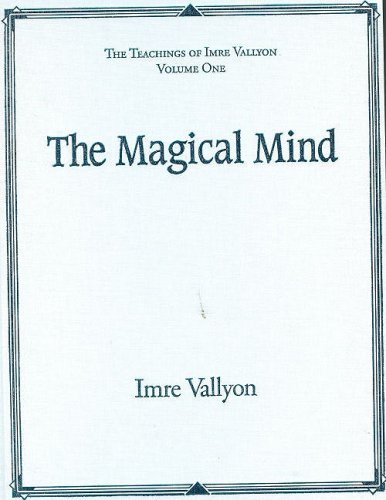
The Magical Mind (The Teachings of Imre Vallyon)
Imre Vallyon

The ethical treatment of depression
Paul Biegler

O'Connor, Richard Ph. D., Richard O'Connor, O'Connor, Richard (Psychotherapist)

His Holiness Tenzin Gyatso the XIV Dalai Lama
The quest for happiness often leads to frustration, as many fail to realize that the...

Reaching sixty can evoke complex emotions, blending relief with ongoing ambition. This...

The quest for life's purpose often leads to unsatisfactory answers. This article...

Romantic love is a complex emotion shaped by historical, cultural, and biological...

Imagine going through one of the most physically and emotionally demanding experiences...

Daily actions often conflict with personal beliefs due to past experiences. By utilizing...

Have you ever argued over something that wasn't actually said? From cultural differences...

Therapists often use dream interpretation to delve into patients' emotions, but true...