
Happiness & Success
Achieving Happiness Through Acceptance of Life
The quest for happiness often leads to frustration, as many fail to realize that the...








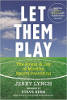
Youth sports have become a high-pressure crucible where winning trumps joy, competition overshadows play, and young athletes face burnout before they reach high school. Parents scream from sidelines, coaches obsess over tournament rankings, and children as young as six experience performance anxiety that rivals corporate executives. This troubling landscape calls for a fundamental reimagining of how we approach athletics for our youngest participants.
At the heart of this transformative guide lies a revolutionary premise: sports should primarily serve the developmental needs of children rather than the egos of adults. Drawing from decades of experience working with elite athletes, coaches, and youth sports programs, readers discover a holistic philosophy grounded in ancient wisdom traditions, particularly Taoism, combined with modern sports psychology. The result is a practical roadmap for parents, coaches, and youth sports administrators seeking to restore sanity, joy, and genuine growth to athletic experiences.
The core message challenges the win-at-all-costs mentality that has infected youth sports at every level. Instead of viewing young athletes as miniature professionals or vehicles for parental ambitions, this approach recognizes them as developing human beings whose primary needs include unconditional love, playfulness, creativity, and the freedom to fail without shame. Readers learn how the relentless pursuit of victories, scholarships, and elite team placements actually undermines the very qualities that produce excellent athletes: intrinsic motivation, resilience, creativity, and genuine passion for the game.
Read more ▼
Julius Hensel
Betty F. Balcombe

Sandra Steingraber
Ray Grasse
The quest for happiness often leads to frustration, as many fail to realize that the...

Reaching sixty can evoke complex emotions, blending relief with ongoing ambition. This...

The quest for life's purpose often leads to unsatisfactory answers. This article...

Romantic love is a complex emotion shaped by historical, cultural, and biological...

Imagine going through one of the most physically and emotionally demanding experiences...

Daily actions often conflict with personal beliefs due to past experiences. By utilizing...

Have you ever argued over something that wasn't actually said? From cultural differences...

Therapists often use dream interpretation to delve into patients' emotions, but true...