
Happiness & Success
Achieving Happiness Through Acceptance of Life
The quest for happiness often leads to frustration, as many fail to realize that the...








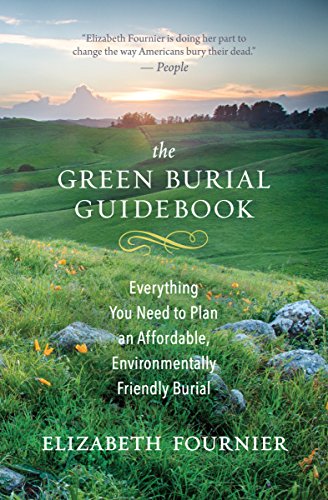
Death is an inevitable part of life, yet modern funeral practices have become increasingly disconnected from both environmental sustainability and meaningful personal ritual. Across cultures and throughout history, humans have honored their dead in ways that returned the body to the earth, completing a natural cycle. Today, conventional burial and cremation methods involve toxic chemicals, non-biodegradable materials, and processes that consume enormous amounts of energy while leaving lasting environmental scars. There is another way—one that honors both the deceased and the living planet.
Natural or green burial represents a return to earth-friendly practices that allow the body to decompose naturally, nourishing the soil and supporting new life. This comprehensive guide illuminates every aspect of planning an environmentally conscious funeral, empowering readers to make informed choices that align with their values around sustainability, simplicity, and spiritual authenticity. Whether considering options for oneself or helping a loved one plan ahead, readers discover practical pathways to create meaningful end-of-life experiences that don't compromise environmental integrity.
The journey begins with understanding what green burial actually means. Unlike conventional methods that use embalming fluids containing formaldehyde and other carcinogens, natural burial allows the body to return to the earth unaltered or preserved with non-toxic, biodegradable materials. Caskets made from sustainable wood, bamboo, willow, or even cardboard replace metal and hardwood coffins lined with synthetic materials. Burial vaults—those concrete or metal containers required in many conventional cemeteries—become unnecessary in natural burial grounds designed to support decomposition and land conservation.
Read more ▼
Lynn Hodges
Samir Selmanovic
Alan Cohen
Elizabeth Clare Prophet
The quest for happiness often leads to frustration, as many fail to realize that the...

Reaching sixty can evoke complex emotions, blending relief with ongoing ambition. This...

The quest for life's purpose often leads to unsatisfactory answers. This article...

Romantic love is a complex emotion shaped by historical, cultural, and biological...

Imagine going through one of the most physically and emotionally demanding experiences...

Have you ever argued over something that wasn't actually said? From cultural differences...

Daily actions often conflict with personal beliefs due to past experiences. By utilizing...

Therapists often use dream interpretation to delve into patients' emotions, but true...