


Children don't arrive with instruction manuals, and perhaps nowhere is this more challenging than in the realm of emotional development. Every parent, caregiver, and educator knows the frustration of watching a child struggle with big feelings they cannot yet name or manage. Tantrums, anxiety, sadness, and overwhelming joy all crash through young lives with tsunami force, and the adults who love them are often left wondering how to guide these tender souls toward emotional wellness and resilience.
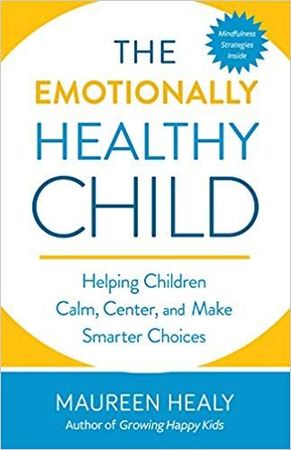
Understanding how to raise emotionally healthy children represents one of the most profound gifts we can offer the next generation. This comprehensive guide illuminates a path forward, drawing on decades of research in child psychology, mindfulness practices, and practical wisdom gained from working directly with children and families. Rather than offering quick fixes or behavior modification tricks, readers discover a holistic framework for nurturing emotional intelligence from the earliest years through adolescence.
At the heart of this approach lies a fundamental truth: children are inherently whole beings with remarkable inner resources. The challenge isn't to fix children or suppress their emotions, but rather to provide them with tools, understanding, and safe spaces to experience and process their full range of feelings. This perspective shifts the entire dynamic of parenting and education, moving away from control and toward collaboration, from judgment toward compassion.
Readers explore the five essential elements that create emotional health in children. These foundational pillars include developing self-awareness, learning to manage energy and emotions, cultivating resilience, building positive relationships, and finding personal happiness. Each element receives careful attention, with practical exercises, real-world examples, and age-appropriate strategies that parents and caregivers can implement immediately.
One particularly valuable aspect addresses the often-misunderstood world of highly sensitive children. These youngsters experience everything more intensely, from sounds and textures to emotional atmospheres and social dynamics. Rather than viewing sensitivity as a problem requiring correction, readers learn how to honor and support these children's unique gifts while helping them navigate a world that can feel overwhelming. This compassionate approach transforms what many consider a liability into a strength, showing how sensitivity correlates with empathy, creativity, and deep awareness.
The exploration of mindfulness and present-moment awareness offers transformative possibilities for both children and adults. Simple practices like breathing exercises, body scans, and mindful movement provide children with concrete tools for self-regulation. These aren't abstract concepts but accessible techniques that even young children can grasp and apply when emotions run high. Parents discover how modeling these practices themselves creates ripple effects throughout the entire family system.
Particularly relevant for our current era, considerable attention focuses on managing stress, anxiety, and the unique pressures facing modern children. From academic expectations to social media influences, today's children navigate challenges previous generations never encountered. Readers gain specific strategies for helping children build emotional buffers against these stressors while developing authentic self-esteem rooted in inner worth rather than external validation.
The relationship dimension proves especially crucial. Emotional health never develops in isolation but always within the context of connection. Readers examine how secure attachments form, what children need to feel genuinely seen and heard, and how adults can repair ruptures when conflicts inevitably arise. This relationship-focused lens recognizes that children learn emotional regulation primarily through co-regulation with caring adults who remain calm and present during difficult moments.
Throughout, the emphasis remains on practical application. Theory matters only insofar as it translates into changed interactions and improved outcomes. Families discover that small shifts in how they respond to emotional outbursts, validate feelings, and create space for authentic expression can produce remarkable transformations. Children who previously struggled gain confidence, resilience, and the ability to navigate life's inevitable challenges with greater ease.
This resource matters profoundly because emotional health forms the foundation for everything else: academic success, meaningful relationships, physical wellbeing, and life satisfaction. By investing in children's emotional development now, we shape not only individual lives but the collective future, raising a generation better equipped for compassion, connection, and conscious living.