
Happiness & Success
Achieving Happiness Through Acceptance of Life
The quest for happiness often leads to frustration, as many fail to realize that the...








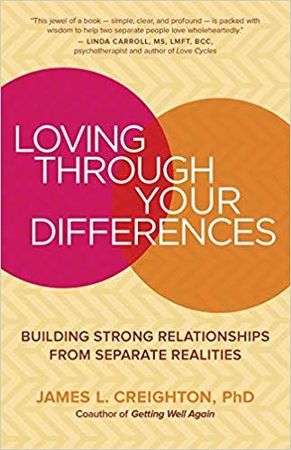
Relationships thrive not in spite of our differences, but through them. Yet for most couples, the very qualities that initially attracted them to each other often become sources of frustration and conflict as time goes on. The spontaneous partner becomes "irresponsible," while the organized one becomes "controlling." The social butterfly is now "attention-seeking," and the quiet homebody is "antisocial." These polarities, which once felt complementary and exciting, can evolve into battlegrounds where each person tries to change the other, convinced that if only their partner would see things their way, harmony would prevail.
Drawing on decades of experience as a couples therapist and conflict resolution specialist, this transformative guide challenges the fundamental assumption that differences are problems to be solved. Instead, it presents a revolutionary framework: differences are doorways to deeper intimacy, personal growth, and relationship vitality. The approach outlined here moves beyond simple compromise or conflict management techniques, offering couples a pathway to genuine appreciation of each other's unique perspectives and ways of being in the world.
At the heart of this methodology lies a crucial insight: when couples fight about differences, they're rarely arguing about the surface issue at hand. Whether it's money, housework, social activities, or parenting styles, these conflicts often mask deeper questions about identity, values, and what it means to be truly seen and accepted by another person. The familiar pattern of attack and defend, criticism and withdrawal, doesn't just fail to resolve issues—it actively prevents the kind of understanding that could transform the relationship.
Read more ▼
Jonathan Kozol
Hal Stone

Jennifer Botkin-Maher
Eric Maisel
The quest for happiness often leads to frustration, as many fail to realize that the...

Reaching sixty can evoke complex emotions, blending relief with ongoing ambition. This...

The quest for life's purpose often leads to unsatisfactory answers. This article...

Romantic love is a complex emotion shaped by historical, cultural, and biological...

Imagine going through one of the most physically and emotionally demanding experiences...

Have you ever argued over something that wasn't actually said? From cultural differences...

Daily actions often conflict with personal beliefs due to past experiences. By utilizing...

Therapists often use dream interpretation to delve into patients' emotions, but true...