




Happiness & Success
Achieving Happiness Through Acceptance of Life
The quest for happiness often leads to frustration, as many fail to realize that the...








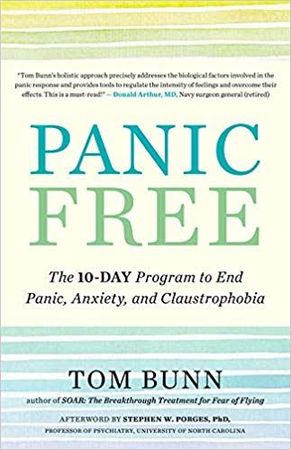
Anxiety and panic attacks can feel like an invisible prison, limiting where we go, what we do, and how fully we experience life. For millions of people, the fear of having a panic attack becomes more debilitating than the attacks themselves, creating a cycle of avoidance that shrinks their world. But what if there were a way to break free from this cycle permanently, using insights from neuroscience combined with proven therapeutic techniques?
This groundbreaking approach offers hope for anyone who has struggled with panic, anxiety, claustrophobia, or fear of flying. Drawing on more than thirty years of experience helping anxious fliers overcome their fears, a licensed therapist and former airline captain has developed a revolutionary method that addresses panic at its neurological roots. Rather than simply managing symptoms or learning to cope with anxiety, readers discover how to prevent panic attacks from occurring in the first place.
At the heart of this transformative approach is an understanding of how the brain's alarm system works. The amygdala, a small almond-shaped structure deep within the brain, acts as our internal smoke detector, constantly scanning for threats. In people prone to panic, this alarm system has become hypersensitive, triggering fight-or-flight responses to situations that pose no actual danger. The key to freedom lies not in trying to control these responses through willpower or breathing exercises, but in retraining the amygdala itself to recognize that certain situations are safe.
Read more ▼
The quest for happiness often leads to frustration, as many fail to realize that the...

Reaching sixty can evoke complex emotions, blending relief with ongoing ambition. This...

The quest for life's purpose often leads to unsatisfactory answers. This article...

Imagine going through one of the most physically and emotionally demanding experiences...

Romantic love is a complex emotion shaped by historical, cultural, and biological...

Daily actions often conflict with personal beliefs due to past experiences. By utilizing...

Have you ever argued over something that wasn't actually said? From cultural differences...

Therapists often use dream interpretation to delve into patients' emotions, but true...