
Happiness & Success
Achieving Happiness Through Acceptance of Life
The quest for happiness often leads to frustration, as many fail to realize that the...








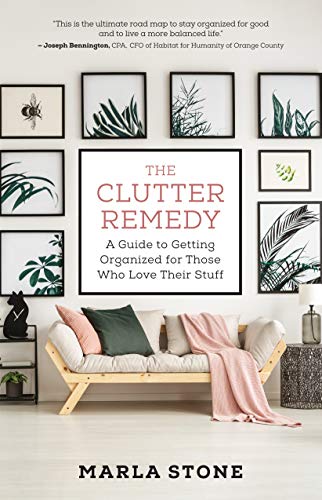
Most of us have a complicated relationship with our possessions. We accumulate objects that hold memories, represent aspirations, or simply bring us joy, yet we often feel overwhelmed by the chaos they create in our living spaces. This tension between loving what we own and feeling burdened by clutter reflects a deeper truth about how we relate not only to our things, but to ourselves and the people in our lives.
At its heart, this guide offers a revolutionary approach to organizing that honors the emotional connections we have with our belongings rather than demanding we ruthlessly purge everything. It recognizes that the objects surrounding us often serve as anchors to important relationships, cherished memories, and significant life chapters. A child's artwork, a gift from a dear friend, books that shaped our thinking, or craft supplies that represent creative dreams we still hold—these items matter because they represent the connections and experiences that make us who we are.
The journey through these pages reveals how clutter often accumulates not from laziness or poor habits, but from unresolved emotions, overwhelming life transitions, and the natural human tendency to attach meaning to physical objects. When we understand this psychological dimension, we can approach organizing as an act of self-compassion rather than self-punishment. Instead of feeling shame about messy spaces, readers learn to see clutter as information—signals about what truly matters, where life has become imbalanced, and which relationships or responsibilities need attention.
Read more ▼
Nicola Amadora

Joyce Vissell, Barry Vissell
Frédérick Leboyer
Reconnecting with Your Estranged Adult Child
Tina Gilbertson
The quest for happiness often leads to frustration, as many fail to realize that the...

Reaching sixty can evoke complex emotions, blending relief with ongoing ambition. This...

The quest for life's purpose often leads to unsatisfactory answers. This article...

Imagine going through one of the most physically and emotionally demanding experiences...

Romantic love is a complex emotion shaped by historical, cultural, and biological...

Daily actions often conflict with personal beliefs due to past experiences. By utilizing...

Have you ever argued over something that wasn't actually said? From cultural differences...

Therapists often use dream interpretation to delve into patients' emotions, but true...