
Happiness & Success
Achieving Happiness Through Acceptance of Life
The quest for happiness often leads to frustration, as many fail to realize that the...









Understanding why people reject well-established scientific evidence has become one of the most pressing challenges of our time, affecting everything from public health decisions to climate policy, and ultimately impacting career trajectories, organizational effectiveness, and economic prosperity. This comprehensive exploration delves into the psychological, social, and cognitive mechanisms that lead individuals to dismiss scientific consensus, offering readers essential insights for navigating an increasingly complex information landscape in their professional and personal lives.
The phenomenon of rejecting scientific evidence isn't simply about lacking information or education. Rather, it emerges from a complex interplay of psychological factors, including identity protection, motivated reasoning, and the fundamental ways humans process information. Readers will discover how our brains are wired to seek confirmation of existing beliefs, how social identity shapes what we're willing to accept as true, and why intelligent, educated people can still fall prey to misinformation in areas that conflict with their worldview or values.
For professionals across all sectors, understanding these dynamics has become essential. In the workplace, decisions about everything from public health protocols to sustainability initiatives increasingly require engaging with scientific evidence. Leaders who grasp why people resist certain scientific findings are better equipped to communicate effectively, build consensus, and implement evidence-based policies. This knowledge translates directly into enhanced leadership capabilities and improved organizational outcomes.
Read more ▼
Wallace D. Wattles, Ruth L Miller, Patricia J. Crane, Rick Nichols

An Introduction to 3-Dimensional Leadership
Linacre, Nigel, Cann, Jefferson

The origins of totalitarianism
Hannah Arendt
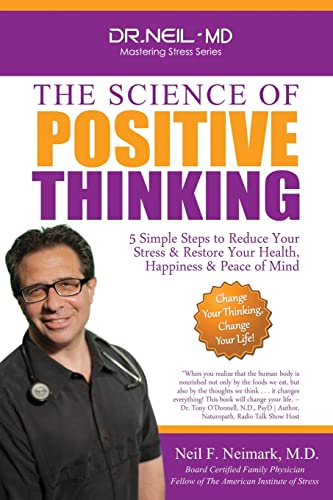
Neil Neimark
The quest for happiness often leads to frustration, as many fail to realize that the...

Reaching sixty can evoke complex emotions, blending relief with ongoing ambition. This...

The quest for life's purpose often leads to unsatisfactory answers. This article...

Romantic love is a complex emotion shaped by historical, cultural, and biological...

Imagine going through one of the most physically and emotionally demanding experiences...

Daily actions often conflict with personal beliefs due to past experiences. By utilizing...

Have you ever argued over something that wasn't actually said? From cultural differences...

Therapists often use dream interpretation to delve into patients' emotions, but true...