
Happiness & Success
Achieving Happiness Through Acceptance of Life
The quest for happiness often leads to frustration, as many fail to realize that the...








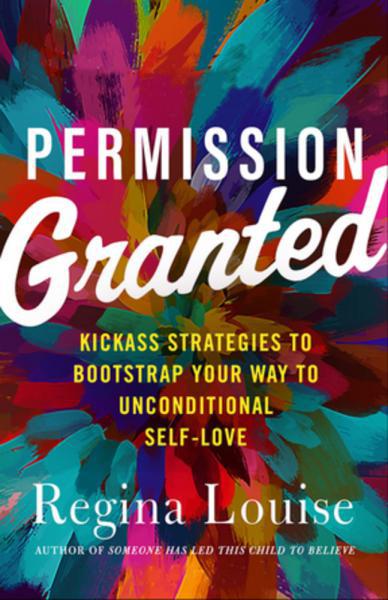
Growing up in foster care and navigating systemic rejection could have permanently defined one woman's story, but instead it became the foundation for a revolutionary approach to self-liberation. This powerful guide emerges from decades of personal transformation and professional practice, offering readers a pathway to grant themselves the permissions they've been waiting for others to provide.
At its core, this work addresses a universal human struggle: we spend our lives seeking approval, validation, and permission from external authorities—parents, partners, employers, society—while the most important permission we need can only come from within. Through a deeply personal lens informed by lived experience in the foster care system, homelessness, and eventual triumph as a successful author and therapist, readers discover how to reclaim their inherent right to determine their own worth, path, and possibilities.
The journey begins with recognizing the ways we've been conditioned to wait. Wait for someone to notice us, validate our feelings, approve our choices, or confirm our value. This waiting creates a perpetual state of suspended animation where our authentic selves remain locked away, deemed too risky or inappropriate to reveal. The framework presented here dismantles this pattern by introducing the concept of self-granted permission as a radical act of self-love and boundary-setting.
Read more ▼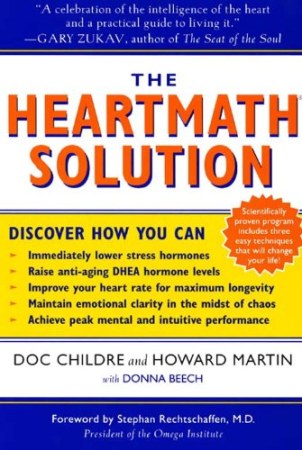
Doc Childre and Howard Martin with Donna Beech.
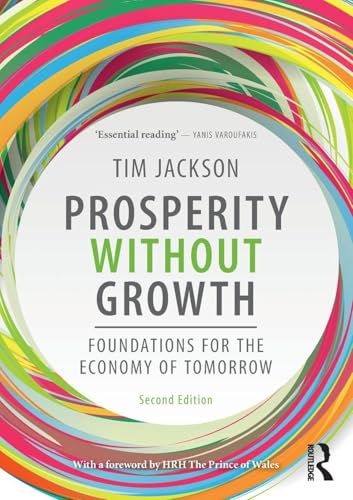
Tim Jackson
Lynn Woodland

Follow your passion, find your power
Bob Doyle
The quest for happiness often leads to frustration, as many fail to realize that the...

Reaching sixty can evoke complex emotions, blending relief with ongoing ambition. This...

The quest for life's purpose often leads to unsatisfactory answers. This article...

Romantic love is a complex emotion shaped by historical, cultural, and biological...

Imagine going through one of the most physically and emotionally demanding experiences...

Have you ever argued over something that wasn't actually said? From cultural differences...

Daily actions often conflict with personal beliefs due to past experiences. By utilizing...

Therapists often use dream interpretation to delve into patients' emotions, but true...