
Happiness & Success
Achieving Happiness Through Acceptance of Life
The quest for happiness often leads to frustration, as many fail to realize that the...








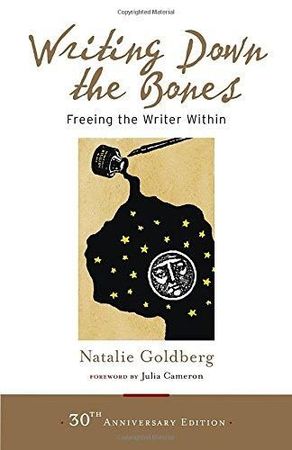
Writing practice offers a powerful pathway to self-discovery and personal transformation. Through the simple act of putting pen to paper without judgment or censorship, anyone can unlock deeper truths about themselves and tap into a wellspring of creativity that exists within all of us. This revolutionary approach to writing isn't about creating perfect prose or following rigid rules—it's about using writing as a meditative practice that connects us to our authentic voice and helps us wake up to the present moment.
At its core, this methodology teaches that writing can be a spiritual practice, much like meditation or yoga. By committing to timed writing sessions where you keep your hand moving without stopping to edit, judge, or second-guess yourself, you bypass the critical mind that so often blocks creative expression. This continuous movement creates a direct channel to your subconscious, allowing thoughts, memories, and insights to flow freely onto the page. The practice is both simple and profound: pick up a pen, choose a topic or let one emerge naturally, set a timer, and write without stopping until time runs out.
What makes this approach so transformative is its emphasis on trusting your own mind and honoring your first thoughts. Rather than striving for polished, perfect sentences, practitioners learn to capture the raw, unfiltered energy of their initial impulses. These first thoughts are described as fresh and authentic, untainted by the second-guessing and self-criticism that typically plague writers and non-writers alike. By learning to trust these immediate responses, you develop confidence not just in writing but in your own perceptions and intuitions about life.
Read more ▼
Christine Arylo
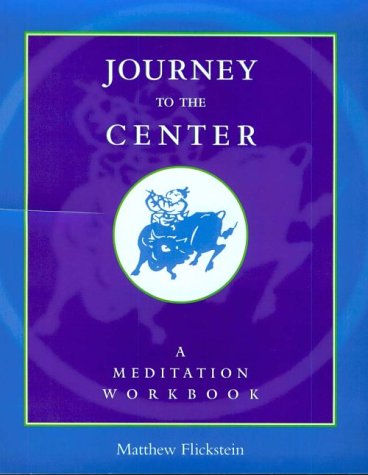
Matthew Flickstein
The quest for happiness often leads to frustration, as many fail to realize that the...

Reaching sixty can evoke complex emotions, blending relief with ongoing ambition. This...

The quest for life's purpose often leads to unsatisfactory answers. This article...

Romantic love is a complex emotion shaped by historical, cultural, and biological...

Imagine going through one of the most physically and emotionally demanding experiences...

Daily actions often conflict with personal beliefs due to past experiences. By utilizing...

Have you ever argued over something that wasn't actually said? From cultural differences...

Therapists often use dream interpretation to delve into patients' emotions, but true...