
Happiness & Success
Achieving Happiness Through Acceptance of Life
The quest for happiness often leads to frustration, as many fail to realize that the...








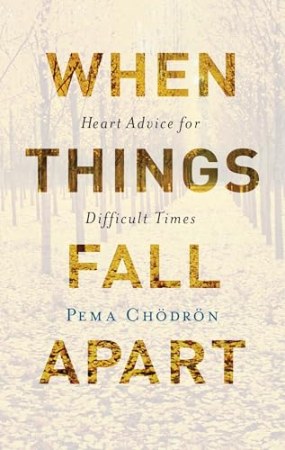
Life has a way of unraveling our carefully constructed plans. Relationships end, careers dissolve, health falters, and the certainty we once clung to suddenly evaporates. In these moments of profound disruption, we typically respond by scrambling to regain control, to fix what's broken, to return to the comfort of the familiar. But what if these painful moments of falling apart are actually gateways to transformation? What if the very experiences we resist most fiercely hold the greatest potential for awakening?
Drawing from Tibetan Buddhist wisdom and decades of personal practice, this profound guide offers a radical alternative to our habitual patterns of avoidance and denial. Rather than treating difficulty as an obstacle to overcome, readers discover how to work directly with fear, anxiety, and uncertainty as vehicles for spiritual growth and emotional maturity. The teachings presented here challenge our fundamental assumptions about happiness, suggesting that our suffering often stems not from painful circumstances themselves, but from our desperate attempts to escape them.
At the heart of this transformative approach lies the concept of groundlessness—the recognition that life offers no permanent refuge, no ultimate security. While this reality might initially seem frightening, learning to relax into uncertainty becomes a source of tremendous freedom. Readers explore practical techniques for staying present with discomfort rather than habitually running away through distraction, addiction, or busy-ness. Through the practice of meditation and mindful awareness, we can develop the capacity to remain open and awake even when everything feels like it's crumbling.
Read more ▼
How to keep your Volkswagen alive
Muir, John

John De Graaf

Transcendent Wisdom of the Maya
Gabriela Jurosz-Landa

Harper Lee
The quest for happiness often leads to frustration, as many fail to realize that the...

Reaching sixty can evoke complex emotions, blending relief with ongoing ambition. This...

The quest for life's purpose often leads to unsatisfactory answers. This article...

Romantic love is a complex emotion shaped by historical, cultural, and biological...

Imagine going through one of the most physically and emotionally demanding experiences...

Have you ever argued over something that wasn't actually said? From cultural differences...

Daily actions often conflict with personal beliefs due to past experiences. By utilizing...

Therapists often use dream interpretation to delve into patients' emotions, but true...