
Happiness & Success
Achieving Happiness Through Acceptance of Life
The quest for happiness often leads to frustration, as many fail to realize that the...








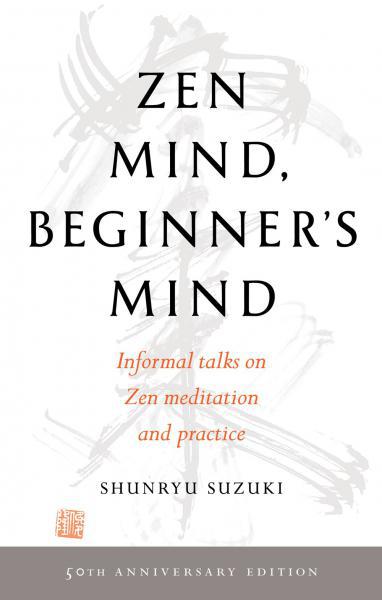
At the heart of Zen practice lies a profound paradox: the less we think we know, the more we truly understand. This timeless collection of talks presents the essential teachings of Soto Zen Buddhism through informal lectures that were originally delivered to students at the San Francisco Zen Center in the late 1960s. What emerges is not a dry philosophical treatise, but an intimate, accessible gateway into a practice that has transformed countless lives across centuries and cultures.
The concept of "beginner's mind" stands as the cornerstone of these teachings. This isn't about cultivating ignorance or rejecting knowledge, but rather approaching each moment with fresh eyes, free from the accumulated assumptions and preconceptions that typically cloud our awareness. In the beginner's mind, we find openness, eagerness, and a lack of rigid expectations that paradoxically allows for deeper wisdom to emerge. Even longtime practitioners are encouraged to return again and again to this beginner's mind, treating each breath, each moment of sitting meditation, as if encountering it for the very first time.
Readers will discover that Zen practice is far more practical and immediate than they might expect. Rather than abstract philosophy or mystical experiences, the focus remains steadfastly on the simple act of sitting meditation, called zazen. Instructions for posture, breathing, and attitude are presented with remarkable clarity and gentleness. The teaching emphasizes that enlightenment isn't something to achieve in the future through great effort or special experiences, but rather something already present in each moment of sincere practice. When we sit, we're not sitting to become enlightened; sitting itself expresses our true nature.
Read more ▼
Guess who's Jewish? (you'll never guess)
Len Chetkin

A spiritual philosophy for the new world
John Randolph Price

Margo Adair
Kathleen A. Brehony
The quest for happiness often leads to frustration, as many fail to realize that the...

Reaching sixty can evoke complex emotions, blending relief with ongoing ambition. This...

The quest for life's purpose often leads to unsatisfactory answers. This article...

Romantic love is a complex emotion shaped by historical, cultural, and biological...

Imagine going through one of the most physically and emotionally demanding experiences...

Daily actions often conflict with personal beliefs due to past experiences. By utilizing...

Have you ever argued over something that wasn't actually said? From cultural differences...

Therapists often use dream interpretation to delve into patients' emotions, but true...