
Happiness & Success
Achieving Happiness Through Acceptance of Life
The quest for happiness often leads to frustration, as many fail to realize that the...








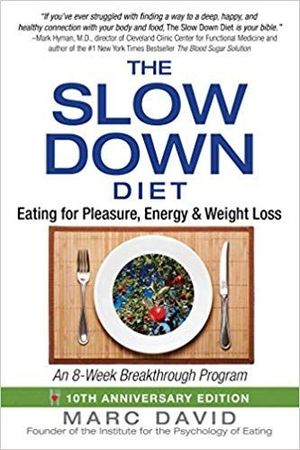
Eating has become one of the most stressful activities in modern life. We consume meals at our desks, in our cars, standing at the kitchen counter, or while scrolling through our phones. We count calories obsessively, fear certain food groups, and approach every bite with anxiety about weight gain and health consequences. Yet despite our unprecedented access to nutritional information and dietary strategies, we find ourselves more confused, more overweight, and more disconnected from the simple pleasure of nourishment than ever before.
A revolutionary approach to nutrition challenges everything we've been taught about eating well. Rather than focusing on what we eat, it illuminates how we eat as the missing link in our quest for optimal health, sustainable weight management, and genuine satisfaction with food. This paradigm shift reveals that the quality of our attention, the speed at which we consume meals, and our emotional state while eating may be just as important as the nutritional content on our plates.
Readers will discover that the body's ability to metabolize food, absorb nutrients, and regulate appetite is profoundly affected by the relaxation response. When we eat in a stressed state, rushing through meals or feeling guilty about our choices, our digestive system literally shuts down. Blood flow redirects away from the stomach and intestines, enzyme production decreases, and nutrient absorption becomes compromised. The sympathetic nervous system, designed for fight-or-flight situations, inhibits the very processes necessary for proper digestion and metabolism.
Read more ▼
Prize Recipes from Great Restaurants
James Stroman

Frances Moore Lappé, FRANCES MOORE LAPPE, Frances Moore Lappe
Vatsala Sperling

Prize recipes from great restaurants
James Stroman
The quest for happiness often leads to frustration, as many fail to realize that the...

Reaching sixty can evoke complex emotions, blending relief with ongoing ambition. This...

The quest for life's purpose often leads to unsatisfactory answers. This article...

Romantic love is a complex emotion shaped by historical, cultural, and biological...

Imagine going through one of the most physically and emotionally demanding experiences...

Daily actions often conflict with personal beliefs due to past experiences. By utilizing...

Have you ever argued over something that wasn't actually said? From cultural differences...

Therapists often use dream interpretation to delve into patients' emotions, but true...