
Happiness & Success
Achieving Happiness Through Acceptance of Life
The quest for happiness often leads to frustration, as many fail to realize that the...








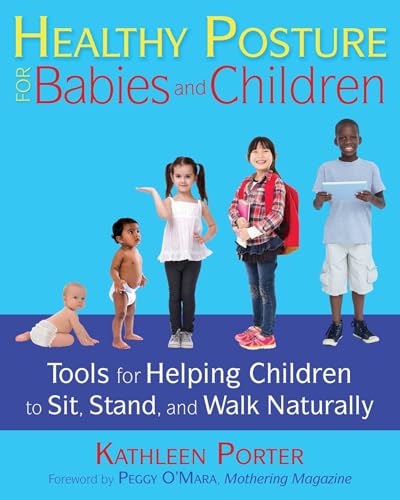
Understanding how our bodies naturally develop and move from infancy can profoundly transform not only our physical wellbeing but also the relationships we cultivate with our children, partners, and ourselves. This comprehensive exploration of natural human posture begins at the very foundation of life, examining how babies and young children instinctively embody perfect alignment and effortless movement before cultural conditioning interferes with their innate wisdom.
What emerges from these pages is a revolutionary perspective on child-rearing that goes far beyond simple physical positioning. By learning to observe and honor the natural developmental patterns that children display, parents and caregivers discover a pathway to deeper connection, more intuitive communication, and a relationship dynamic built on trust and respect for the body's inherent intelligence. Rather than imposing adult ideas about how children should sit, stand, or move, readers learn to recognize and protect the remarkable postural gifts that every child naturally possesses.
The journey begins with a detailed examination of indigenous cultures and societies where chronic back pain, joint problems, and postural dysfunction remain virtually unknown. Through careful observation and research, we discover that babies in these cultures develop differently than their Western counterparts, not because of genetic advantages, but because they are allowed to move freely and develop according to their own internal timeline. They are carried in ways that support natural spinal alignment, allowed to sit and squat in positions that build strength and flexibility, and never forced into furniture or containers that compromise their developing bodies.
Read more ▼
Raising an emotionally intelligent child
John Mordechai Gottman
Parenting without power struggles
Susan Stiffelman
Ellen Kreidman
Mother Clare Watts
The quest for happiness often leads to frustration, as many fail to realize that the...

Reaching sixty can evoke complex emotions, blending relief with ongoing ambition. This...

The quest for life's purpose often leads to unsatisfactory answers. This article...

Romantic love is a complex emotion shaped by historical, cultural, and biological...

Imagine going through one of the most physically and emotionally demanding experiences...

Daily actions often conflict with personal beliefs due to past experiences. By utilizing...

Have you ever argued over something that wasn't actually said? From cultural differences...

Therapists often use dream interpretation to delve into patients' emotions, but true...