
Happiness & Success
Achieving Happiness Through Acceptance of Life
The quest for happiness often leads to frustration, as many fail to realize that the...








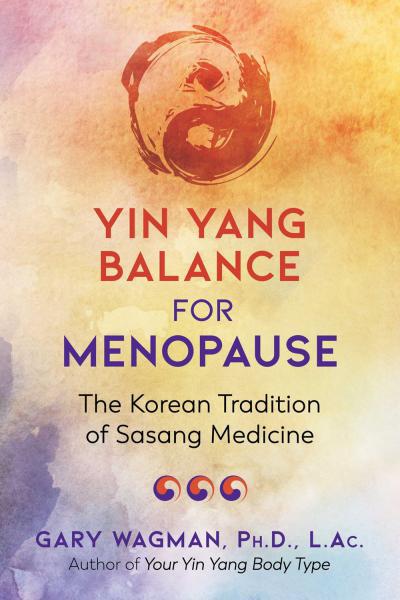
Menopause represents one of life's most profound transitions, yet Western medicine often treats it as a disease requiring pharmaceutical intervention rather than a natural passage deserving holistic support. Drawing from the ancient wisdom of Traditional Chinese Medicine, a revolutionary approach emerges that honors this transformation while addressing the challenging symptoms many women experience during this pivotal life stage.
At the heart of this approach lies the concept of yin and yang, the complementary forces that govern all aspects of health and vitality. When these essential energies fall out of balance, women may experience the cascade of discomforts commonly associated with menopause: hot flashes, night sweats, mood swings, insomnia, weight gain, brain fog, and diminished libido. Rather than simply suppressing symptoms, this integrative methodology seeks to restore fundamental harmony within the body's energy systems.
Women embarking on this healing journey will discover how the menopausal transition is understood through the lens of Chinese medicine as primarily a kidney yin deficiency. This insight opens the door to targeted nutritional strategies, herbal remedies, and lifestyle modifications specifically designed to nourish depleted yin while maintaining appropriate yang energy. The wisdom shared here bridges five thousand years of Chinese medical knowledge with contemporary nutritional science, creating a practical framework that modern women can implement in their daily lives.
Read more ▼
Kate King

Elizabeth Marshall Thomas

Pierz Newton-John
Emily Wanderer Cohen
The quest for happiness often leads to frustration, as many fail to realize that the...

Reaching sixty can evoke complex emotions, blending relief with ongoing ambition. This...

The quest for life's purpose often leads to unsatisfactory answers. This article...

Imagine going through one of the most physically and emotionally demanding experiences...

Romantic love is a complex emotion shaped by historical, cultural, and biological...

Daily actions often conflict with personal beliefs due to past experiences. By utilizing...

Have you ever argued over something that wasn't actually said? From cultural differences...

Therapists often use dream interpretation to delve into patients' emotions, but true...