
Happiness & Success
Achieving Happiness Through Acceptance of Life
The quest for happiness often leads to frustration, as many fail to realize that the...








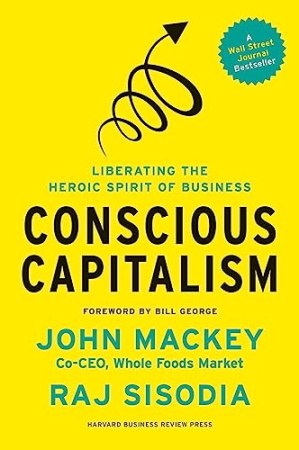
Business has long been viewed through a narrow lens of profit maximization, shareholder value, and quarterly returns. Yet a revolutionary approach is emerging that challenges this outdated paradigm and offers a transformative vision for how commerce can become a force for profound good in the world. This approach recognizes that businesses, when properly conceived and operated, possess the potential to elevate humanity, solve pressing social problems, and create value that extends far beyond financial metrics.
At the heart of this new paradigm lies a fundamental reimagining of business purpose. Rather than viewing profit as the sole reason for a company's existence, this framework recognizes that the most successful and enduring organizations operate with a higher purpose that inspires stakeholders and creates meaning. Purpose becomes the guiding star that attracts talented people, loyal customers, and committed partners who want to be part of something larger than themselves. When businesses connect to purposes that matter deeply to human flourishing, they unlock reserves of creativity, dedication, and innovation that purely profit-driven enterprises can never access.
This comprehensive guide explores four foundational pillars that distinguish conscious enterprises from conventional businesses. The first pillar examines how organizations can discover and articulate purposes that genuinely serve society while remaining economically viable. Readers will discover that purpose and profit are not opposing forces but complementary elements that, when properly balanced, create sustainable competitive advantages and lasting impact.
Read more ▼
Charles Eisenstein

Doreen Virtue
Eric Klein, John Izzo

Sahvanna Arienta
The quest for happiness often leads to frustration, as many fail to realize that the...

Reaching sixty can evoke complex emotions, blending relief with ongoing ambition. This...

The quest for life's purpose often leads to unsatisfactory answers. This article...

Imagine going through one of the most physically and emotionally demanding experiences...

Romantic love is a complex emotion shaped by historical, cultural, and biological...

Daily actions often conflict with personal beliefs due to past experiences. By utilizing...

Have you ever argued over something that wasn't actually said? From cultural differences...

Therapists often use dream interpretation to delve into patients' emotions, but true...