

Happiness & Success
Achieving Happiness Through Acceptance of Life
The quest for happiness often leads to frustration, as many fail to realize that the...








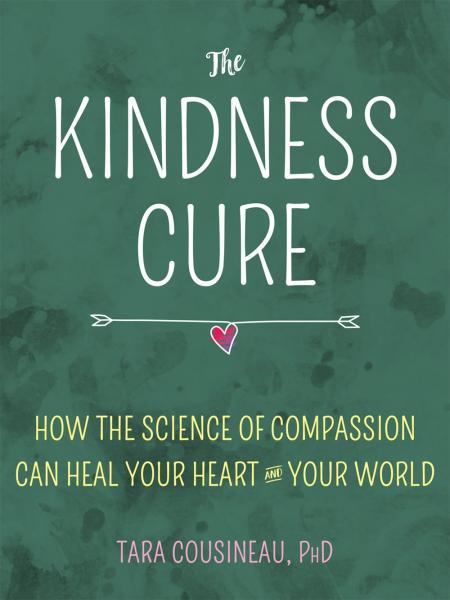
Loneliness has become an epidemic in modern society, quietly eroding our health, happiness, and sense of connection. Yet within each of us lies a profound antidote to isolation and suffering: the transformative power of kindness. This groundbreaking work explores how cultivating compassion toward ourselves and others can fundamentally change our brains, bodies, and lives, offering a scientifically-backed pathway to greater wellbeing and authentic human connection.
Drawing from cutting-edge research in neuroscience, psychology, and contemplative practices, this comprehensive guide reveals how kindness is far more than a moral virtue or pleasant personality trait. It is, in fact, a learnable skill that reshapes neural pathways, reduces inflammation, lowers stress hormones, and strengthens our immune systems. When we engage in acts of kindness and self-compassion, we activate specific regions of the brain associated with pleasure, social connection, and emotional regulation. These aren't merely feel-good moments but measurable physiological changes that accumulate over time, building resilience against anxiety, depression, and the toxic effects of chronic stress.
Central to this exploration is the recognition that many of us struggle with an inner critic that undermines our confidence and perpetuates cycles of shame and inadequacy. By learning to extend kindness inward through self-compassion practices, readers discover how to break free from harsh self-judgment and develop a more nurturing relationship with themselves. This isn't about cultivating narcissism or avoiding accountability, but rather about treating ourselves with the same warmth and understanding we would offer a dear friend facing difficulties.
Read more ▼
Diana B. Henriques

Charles Eisenstein

From Death To Life: The Incredible True Story of Anthony Joseph
Terri-Ann Russell
The quest for happiness often leads to frustration, as many fail to realize that the...

Reaching sixty can evoke complex emotions, blending relief with ongoing ambition. This...

The quest for life's purpose often leads to unsatisfactory answers. This article...

Romantic love is a complex emotion shaped by historical, cultural, and biological...

Imagine going through one of the most physically and emotionally demanding experiences...

Daily actions often conflict with personal beliefs due to past experiences. By utilizing...

Have you ever argued over something that wasn't actually said? From cultural differences...

Therapists often use dream interpretation to delve into patients' emotions, but true...